Ropes & Gray
Unified Brand System for an Elite Global Leader

I led the refresh of Ropes & Gray’s brand from a decade-old heritage identity into a high-velocity digital system. Mandated to modernize the original expression but move the design operations from Marketing to Technology, we unified the firm’s global footprint and turned a 160-year-old legacy into a modern "Create Once, Publish Everywhere" engine.
Category Elite Global Law / Enterprise Multi-platform (Web, Mobile, Client Portals)
Role Global Creative Director (Leading a team of 15 in New York, London, and Tokyo)
Over my tenure at Ropes & Gray, I transitioned design from a cosmetic "decoration" service to a foundational operational pillar. We re-engineered the firm’s digital presence to support 2,800+ annual projects, driving growth through AI-integrated client portals and streamlined internal workflows. We moved the firm from a state of fragmented Excel processes to a high-performance ecosystem where design is baked into the technology stack.
Impact at a glance
87% billing completion (up from 55%) through a UX overhaul of internal dashboards
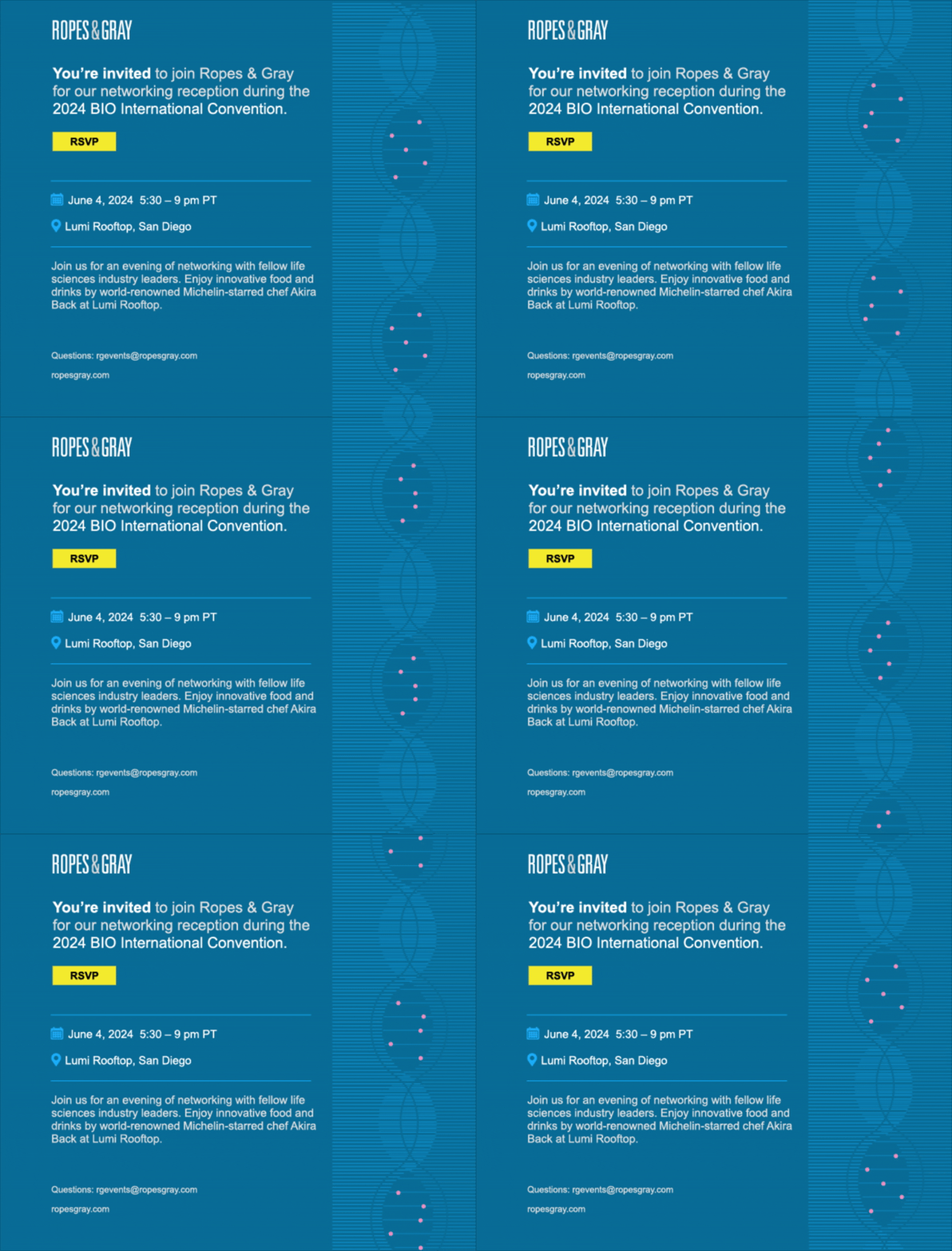
10% conversion rate of event attendees into qualified leads via integrated funnels
2,800+ projects annually managed through a new centralized DAM and Workfront ecosystem
Zero loss in quality during a global migration of the design workforce to modern tech standards
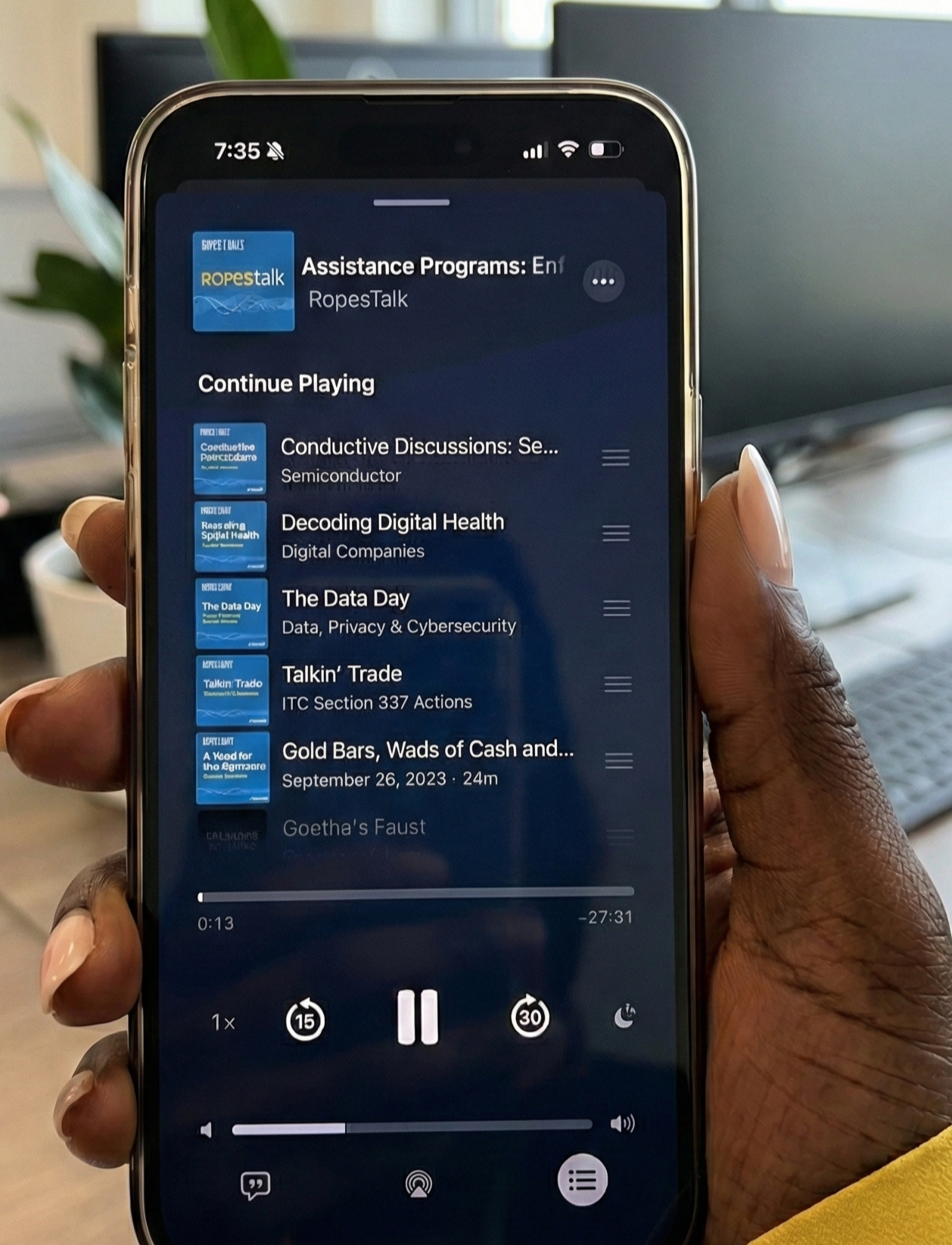
Record-breaking organic reach for thought leadership through an AI-driven publishing workflow
The Challenge: From Decoration to Strategic Resource
Ropes & Gray is an elite firm with a century-old heritage, but its digital presence was a decade behind. The internal culture viewed design as a "finishing touch" rather than a business driver.
The firm was owned by 250 partners, making the consensus process notoriously difficult. The design team was burned out, treated as a service center, and lacked the credibility to influence high-stakes decisions. Meanwhile, the firm’s content volume was comparable to a news organization, but the infrastructure was built on manual, non-Mac servers and fragmented spreadsheets.
My mission was to: "Elevate design from an add-on to a foundational technology and operational lever."


-
![]()
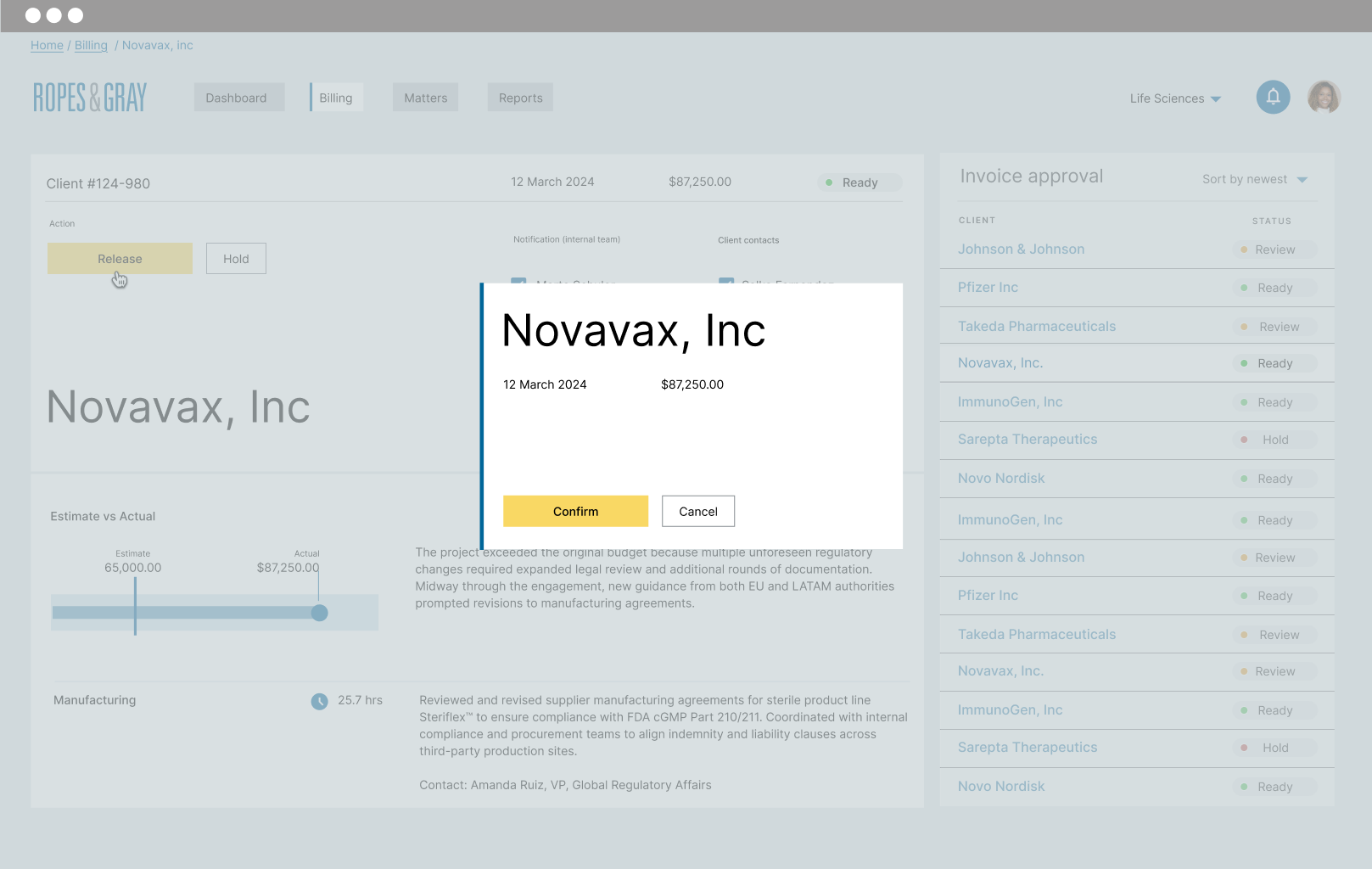
Dashboard UI design
-
![]()
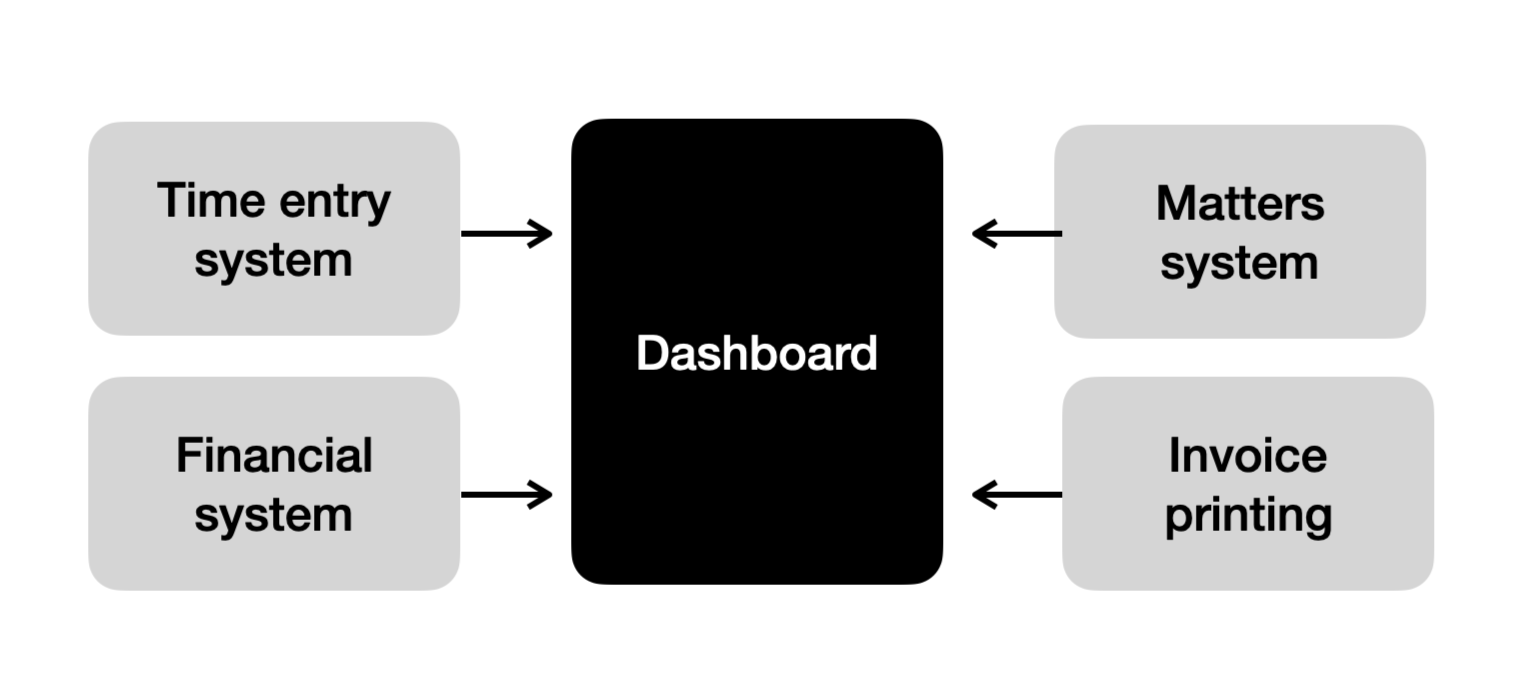
Interactions
-
![]()
Detail
-
![]()
Dialogs
Approach: Building Leverage Through Operational Migration
1. The Technology Pivot (Marketing to Tech)
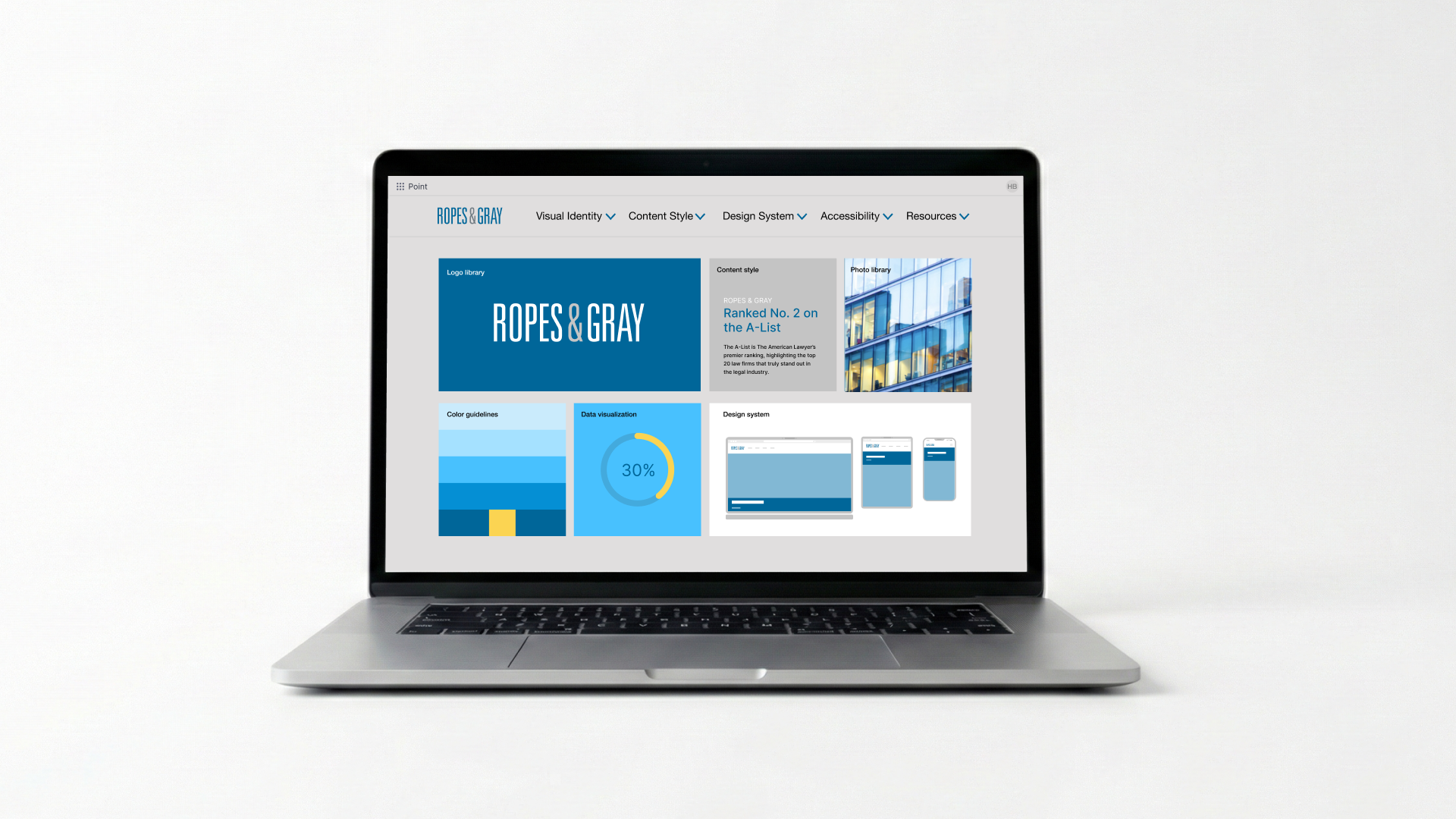
I orchestrated the move of the design system out of Marketing and into the Technology stack. This ensured that brand standards weren't just "guidelines" but were built into every firm-wide tool.
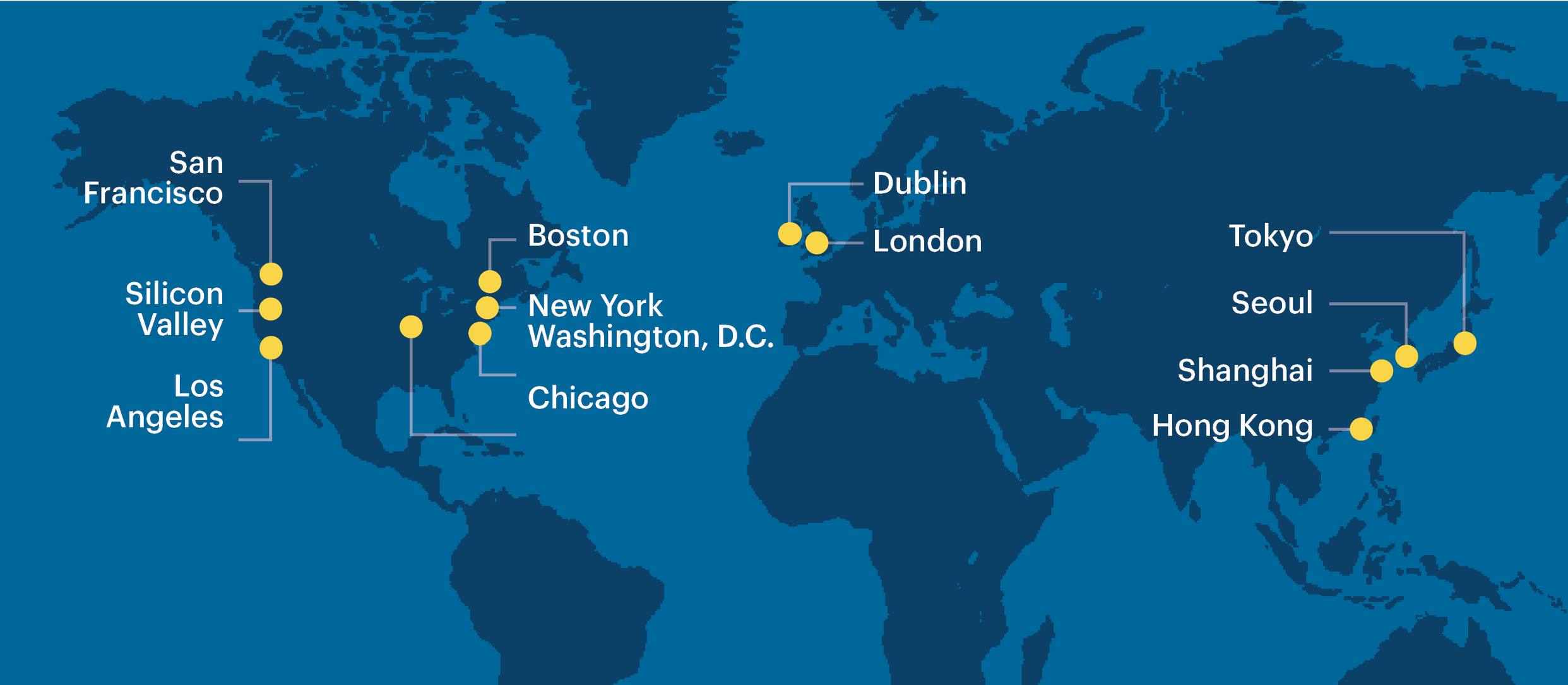
Unified Global Footprint: Redesigned the global website and mobile apps to support a multi-language, multi-region system.
Frictionless Experience: Developed new client portals that integrated AI-driven interaction patterns, allowing clients to engage with complex legal data intuitively.
2. The "Create Once, Publish Everywhere" Engine
To match the firm's immense content output, we built a publishing engine designed for velocity:
Digital Asset Management (DAM): Implemented a centralized DAM and Adobe Workfront ecosystem to manage thousands of assets.
Multi-Format Strategy: We transformed single-day video shoots into weeks of high-impact content for social, web, blogs, and client feeds.
AI-Driven Workflows: To scale social impact, we established an AI workflow that accelerated image production and aligned visual quality with performance metrics.
3. Product Design: The Billing Revolution
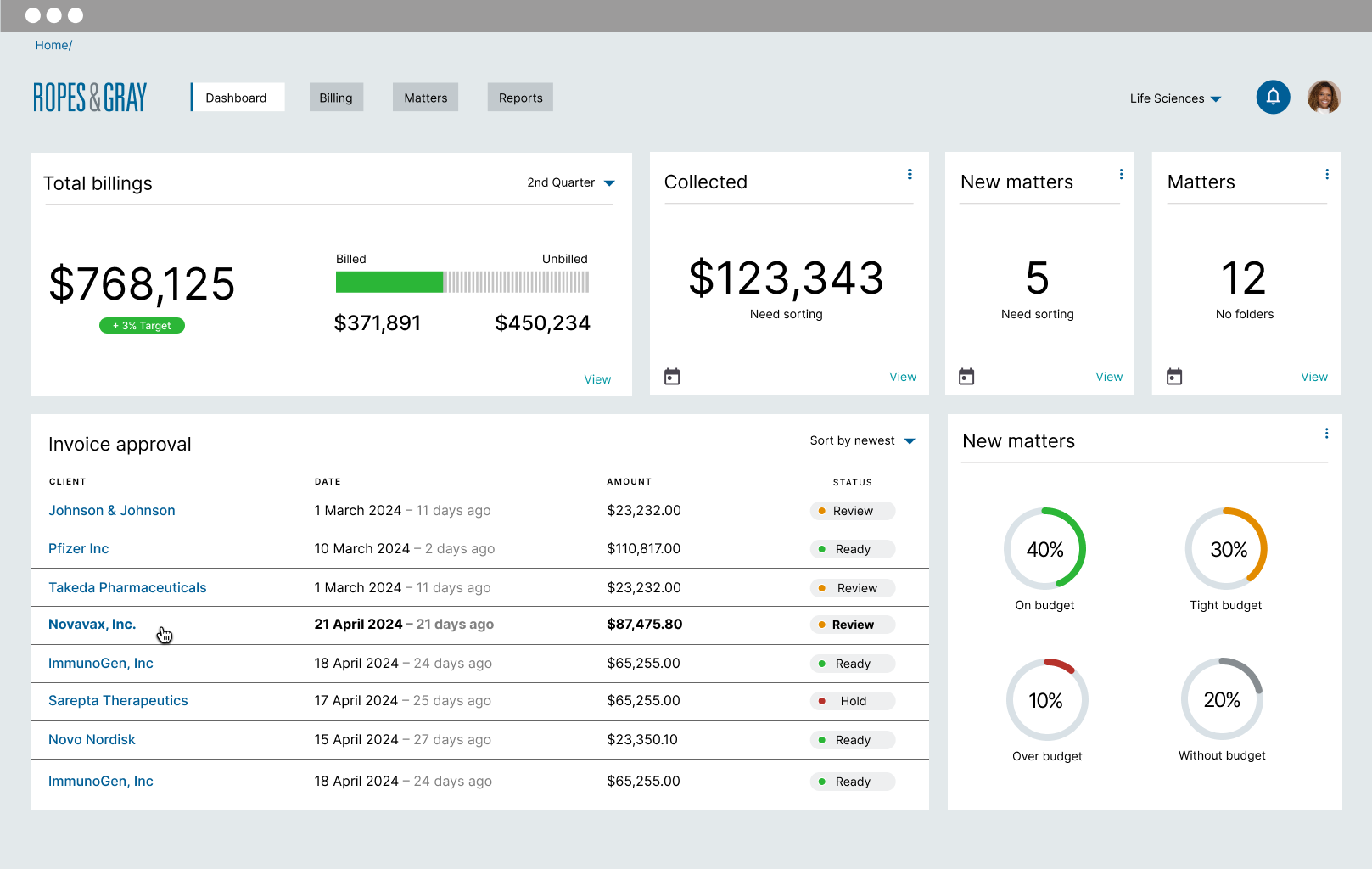
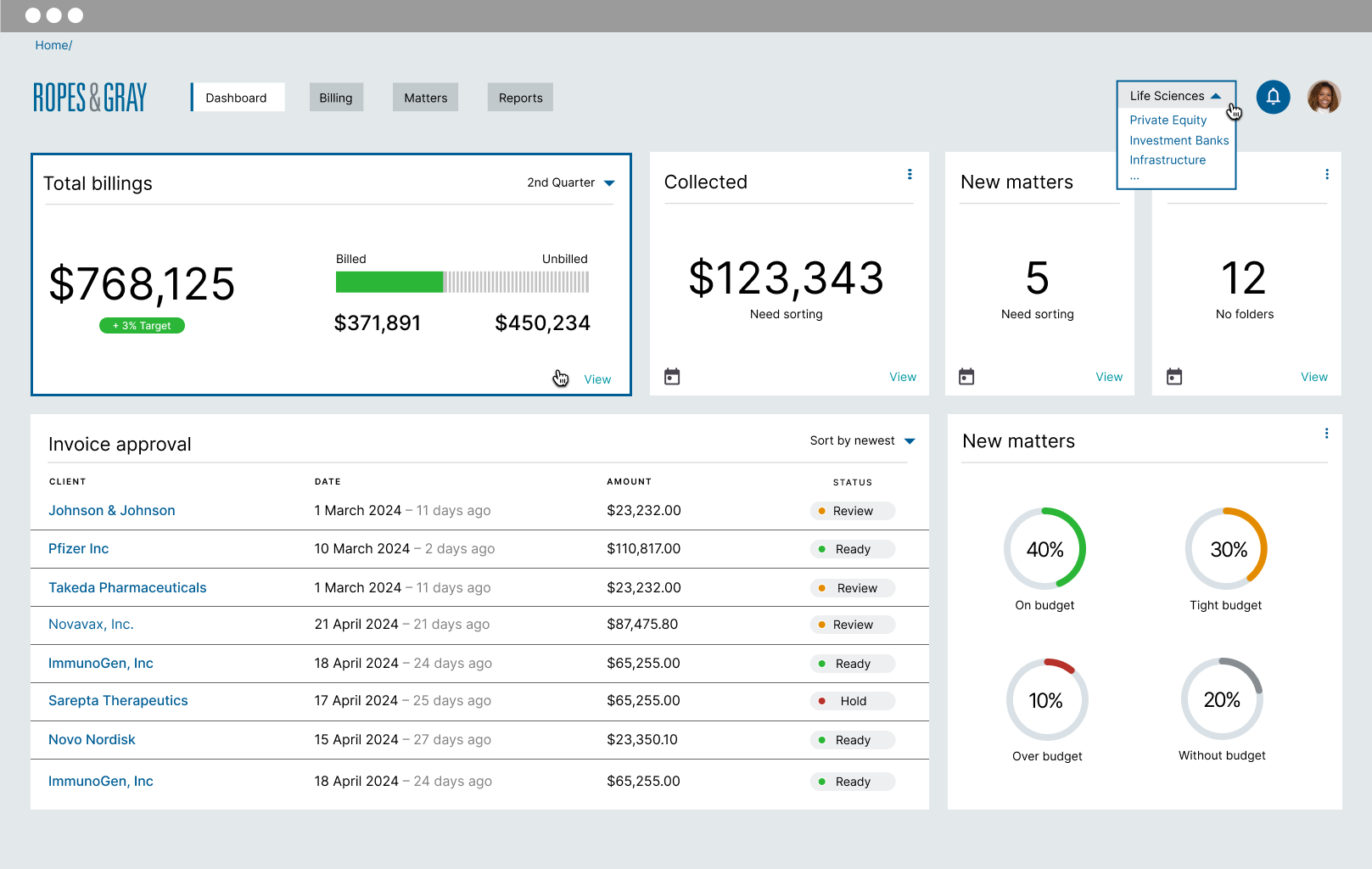
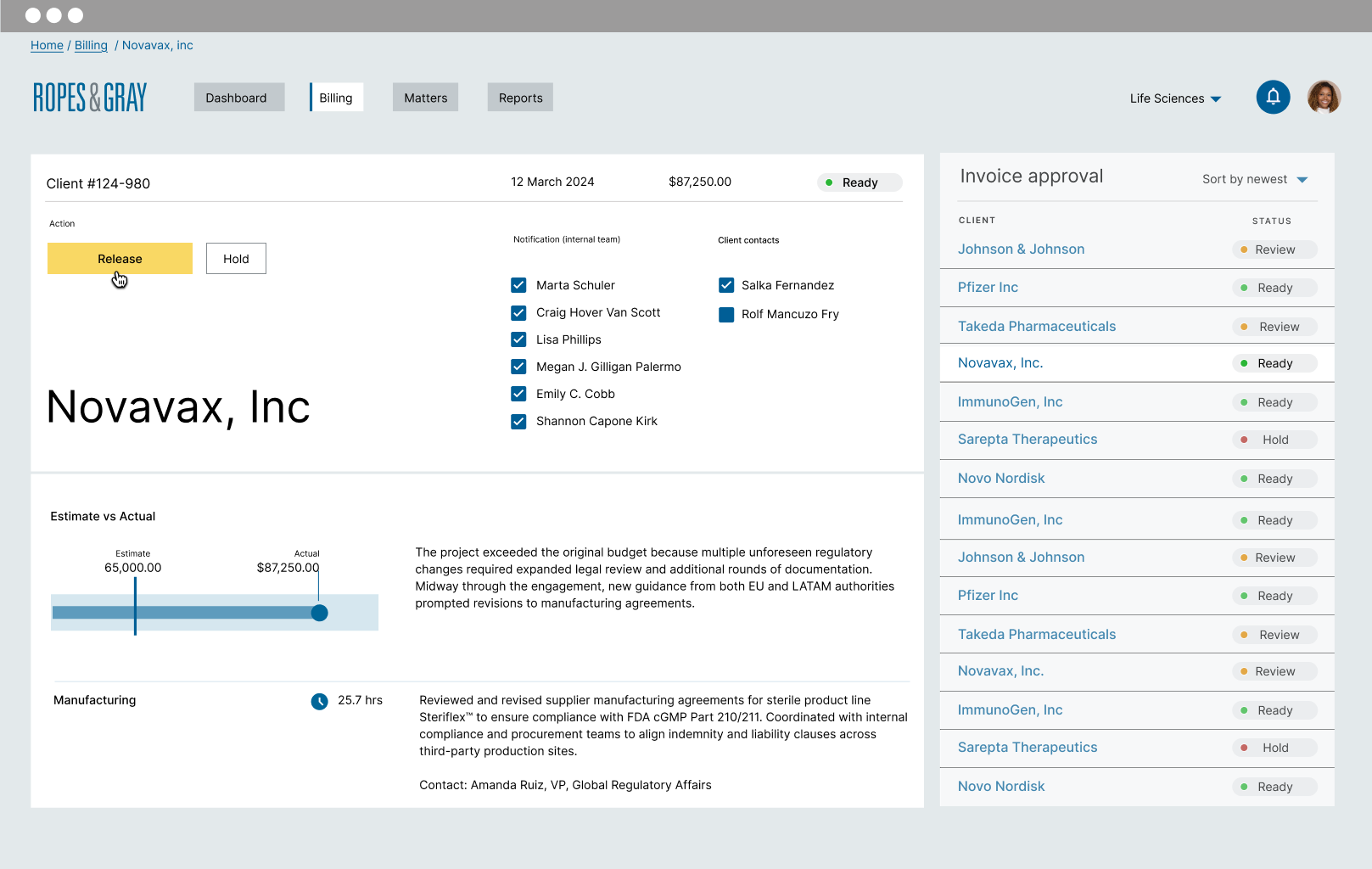
We applied the design system to internal "thorny" problems, most notably the billing dashboard.
User-Centric Workflows: We replaced fragmented Excel processes with a streamlined digital interface.
Tangible Revenue Impact: This shift in usability increased billing completion from 55% to 87%, significantly accelerating global revenue flow and providing the firm with real-time clarity.
4. Cultural Transformation & Governance
To secure buy-in from 250 partners, I established a Design Council. This structured feedback loop facilitated "Authority through Architecture," ensuring that every stakeholder felt a sense of ownership while the system maintained its structural integrity. I focused on upskilling the internal team, giving them the technical tools and data-backed credibility to act as strategic partners rather than order-takers.

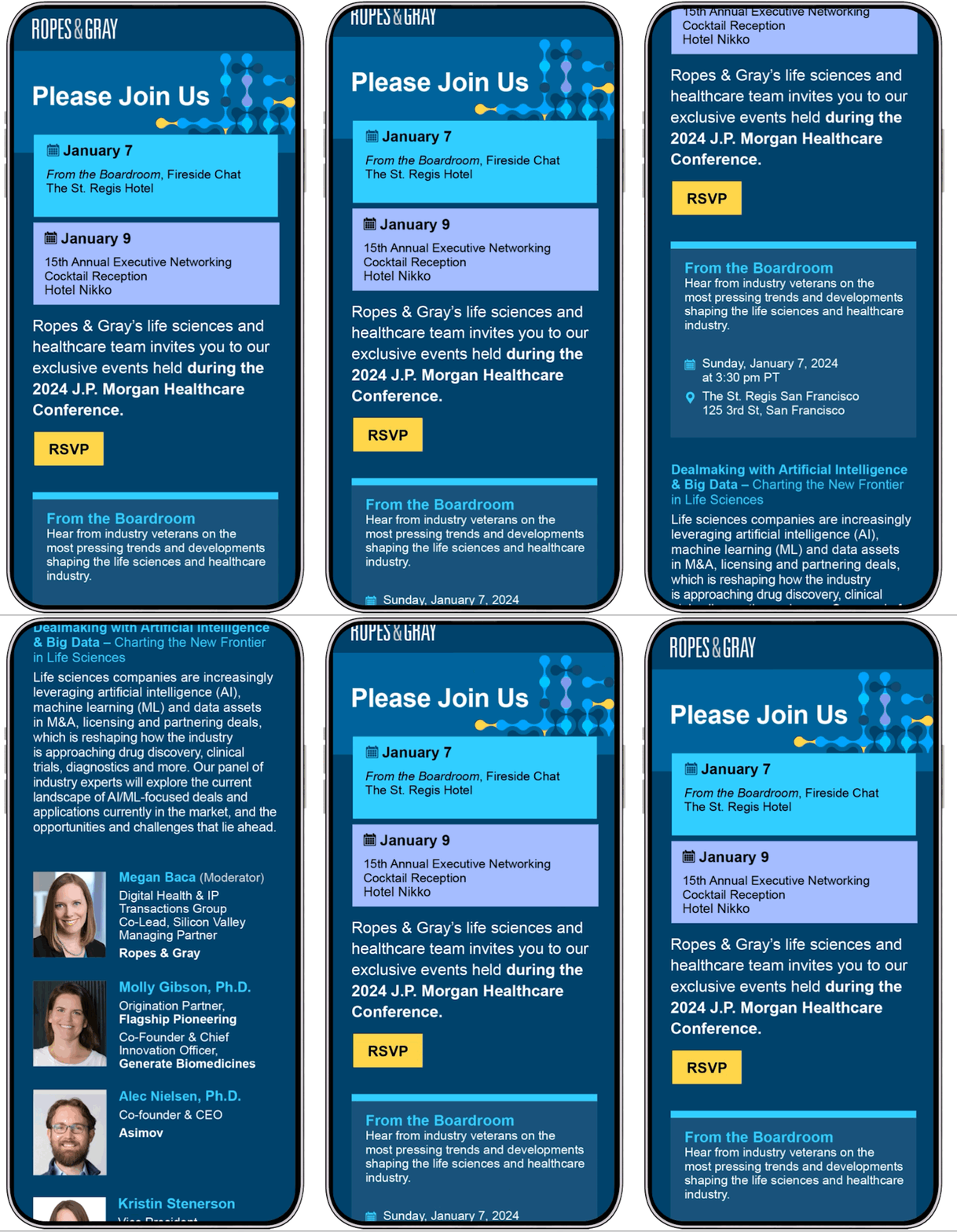
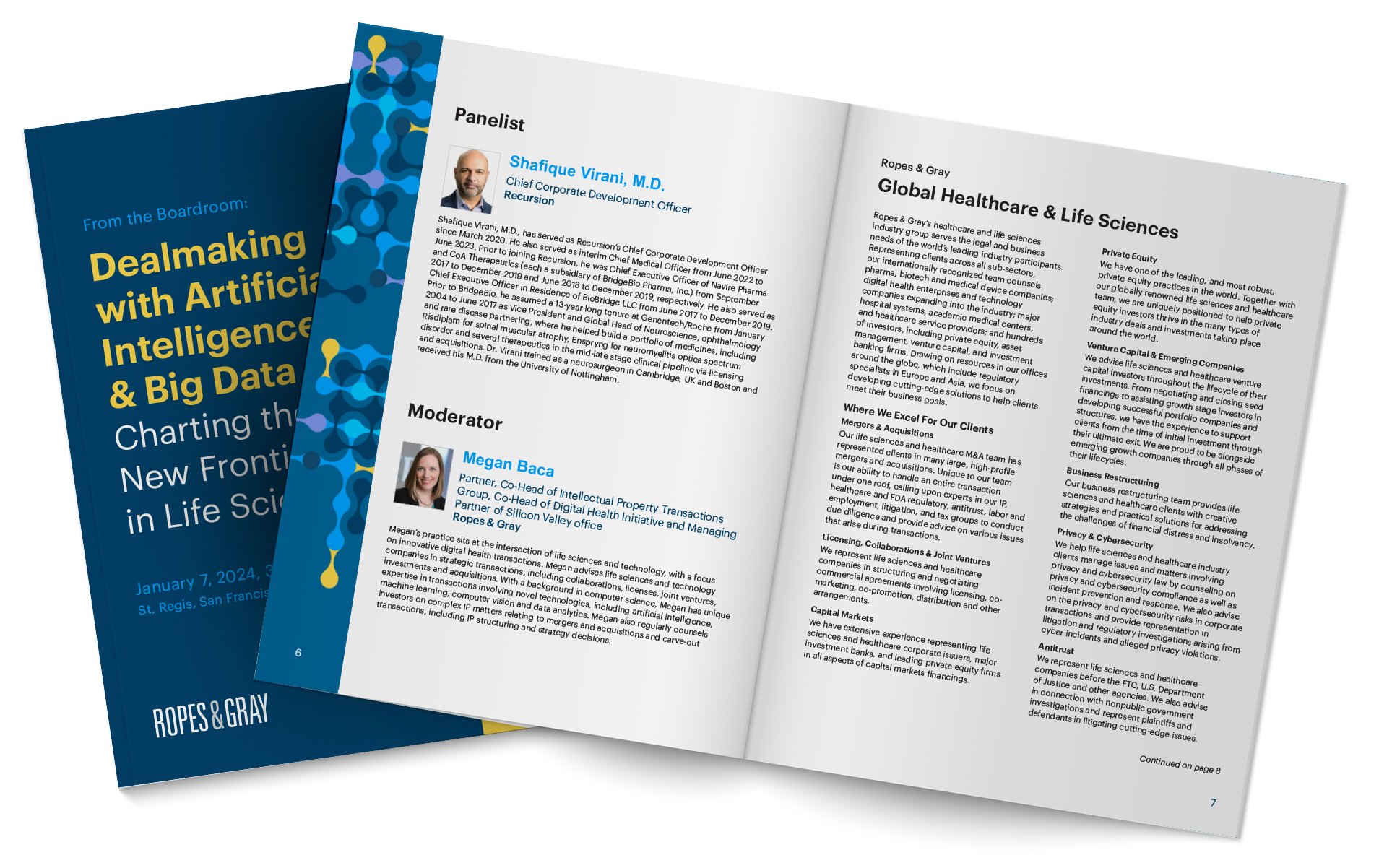
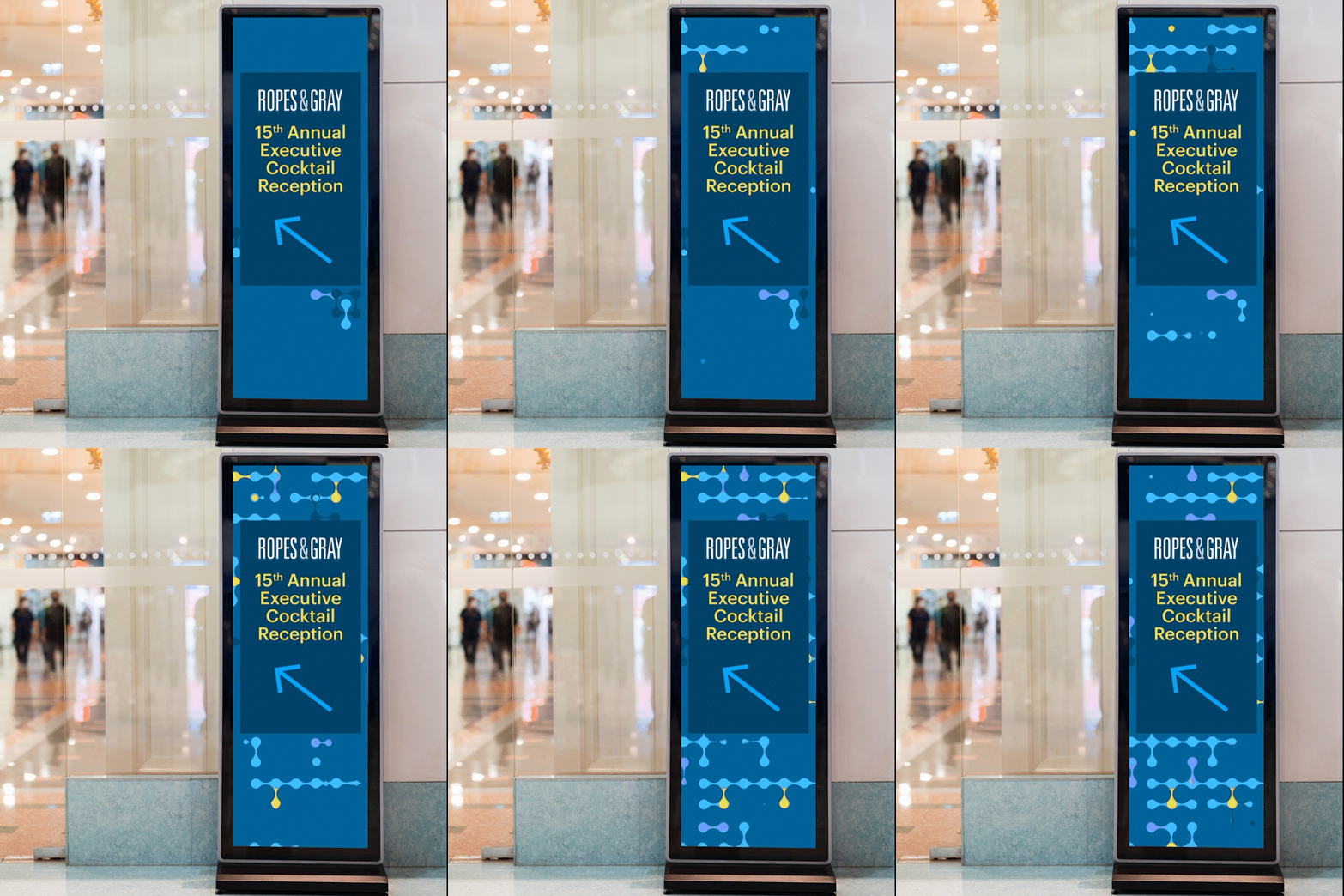

Strategic Trade-offs: Navigating Elite Complexity
Leading a transformation within a 250-partner hierarchy required precise strategic judgment. I had to balance the need for modern speed with the firm's legacy of high-touch consensus.
Trade-off: Newsroom Velocity vs. Design Purity
Option A: Maintain manual design control over every individual asset to ensure "perfect" execution.
Option B: Prioritize a template-driven "Create Once, Publish Everywhere" engine.
Decision: Automated Operational Framework.
Why: With 2,800+ annual projects, the "newsroom" scale of the firm was unsustainable through manual craft alone. We needed a system that prioritized velocity without sacrificing the firm's elite stature.
Impact: Transformed a burned-out service team into a high-production engine capable of delivering weeks of multi-channel content from a single day of production.
Trade-off: Governance Control vs. Partner Buy-in
Option A: Enforce top-down design standards to maintain absolute consistency.
Option B: Establish a collaborative Design Council to facilitate shared ownership.
Decision: Shared Ownership.
Why: In a partnership culture, top-down mandates create friction and slow adoption. By building a "stature-based" grid system and a partner-led council, we converted critics into brand advocates.
Impact: Achieved firm-wide consensus on a new visual code that partners viewed as a strategic asset rather than an aesthetic constraint.
Trade-off: Legacy Infrastructure vs. Modern Tech Migration
Option A: Maintain existing non-Mac servers and manual workflows to avoid short-term disruption.
Option B: Force a total migration to a modern, cloud-based creative tech stack.
Decision: Global Cloud-based Migration.
Why: Design couldn't function as a "Technology" pillar while operating on fragmented, outdated IT infrastructure.
Impact: Enabled real-time global collaboration between NY, London, and Tokyo offices with zero loss in quality during the transition.
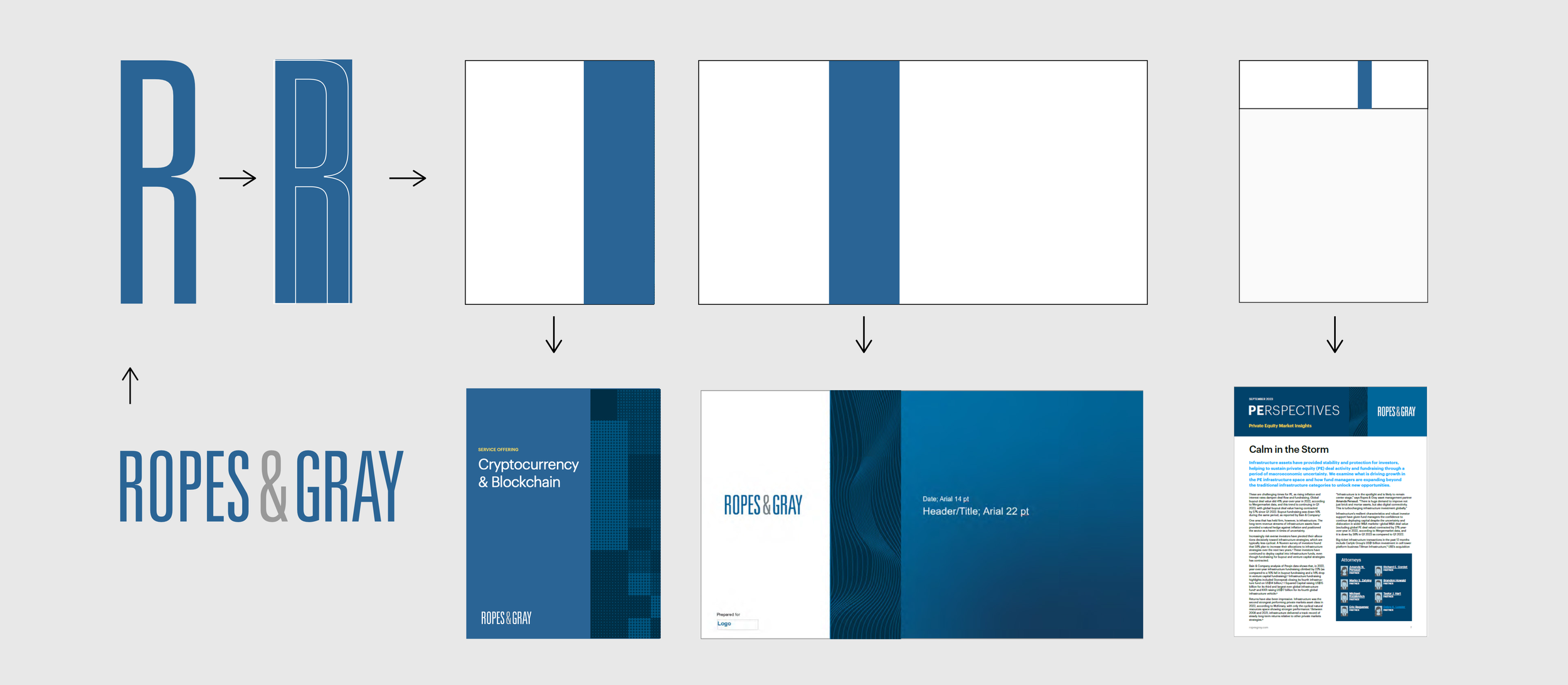






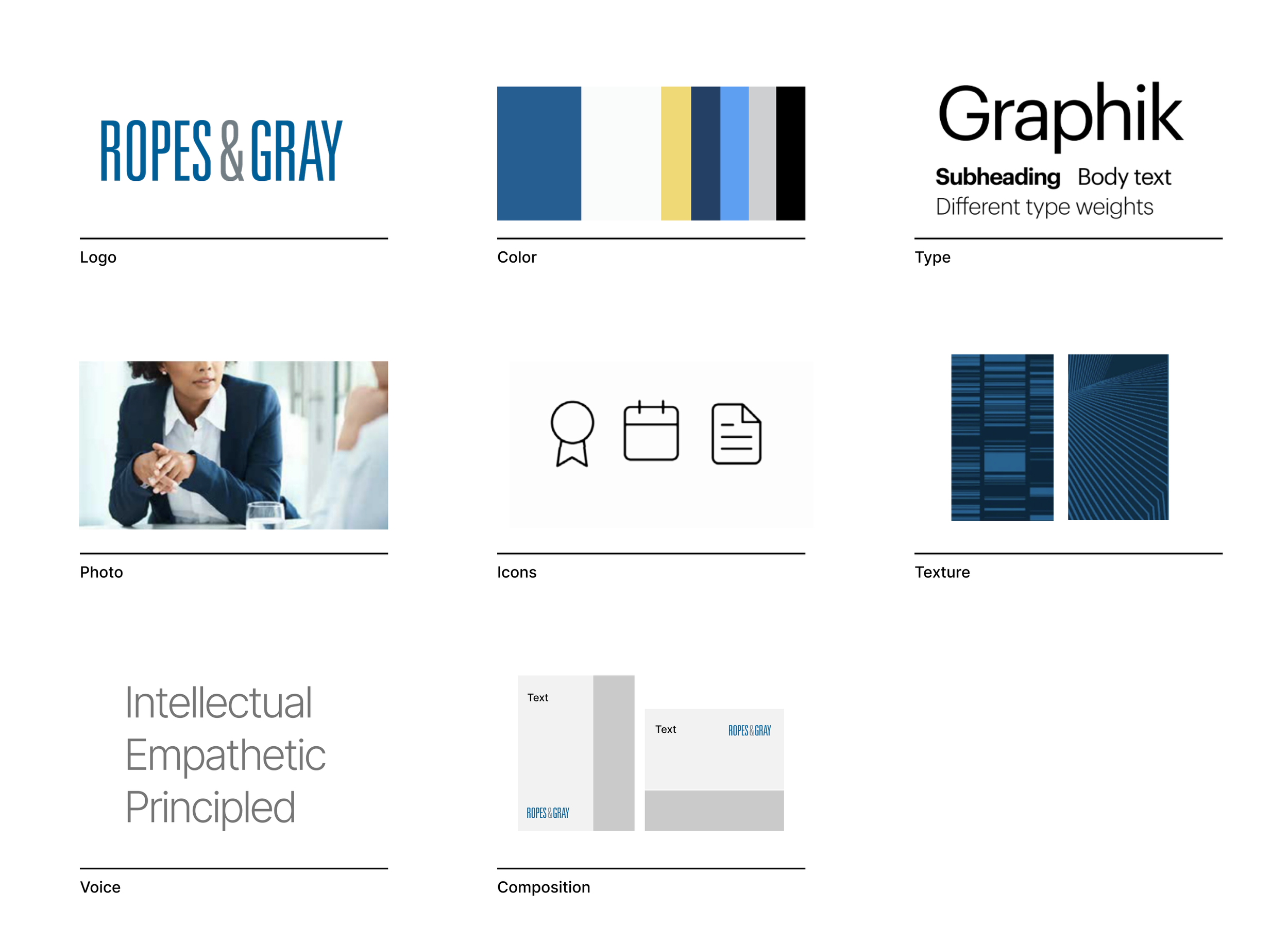
The Visual Language: "Stature and Verticality"
We developed a unified visual system rooted in "verticality," subtly echoing the tall proportions of the firm’s logotype.
The Vision: "Elite Authority meets Digital Precision."
The resulting design language signaled authority and expertise:
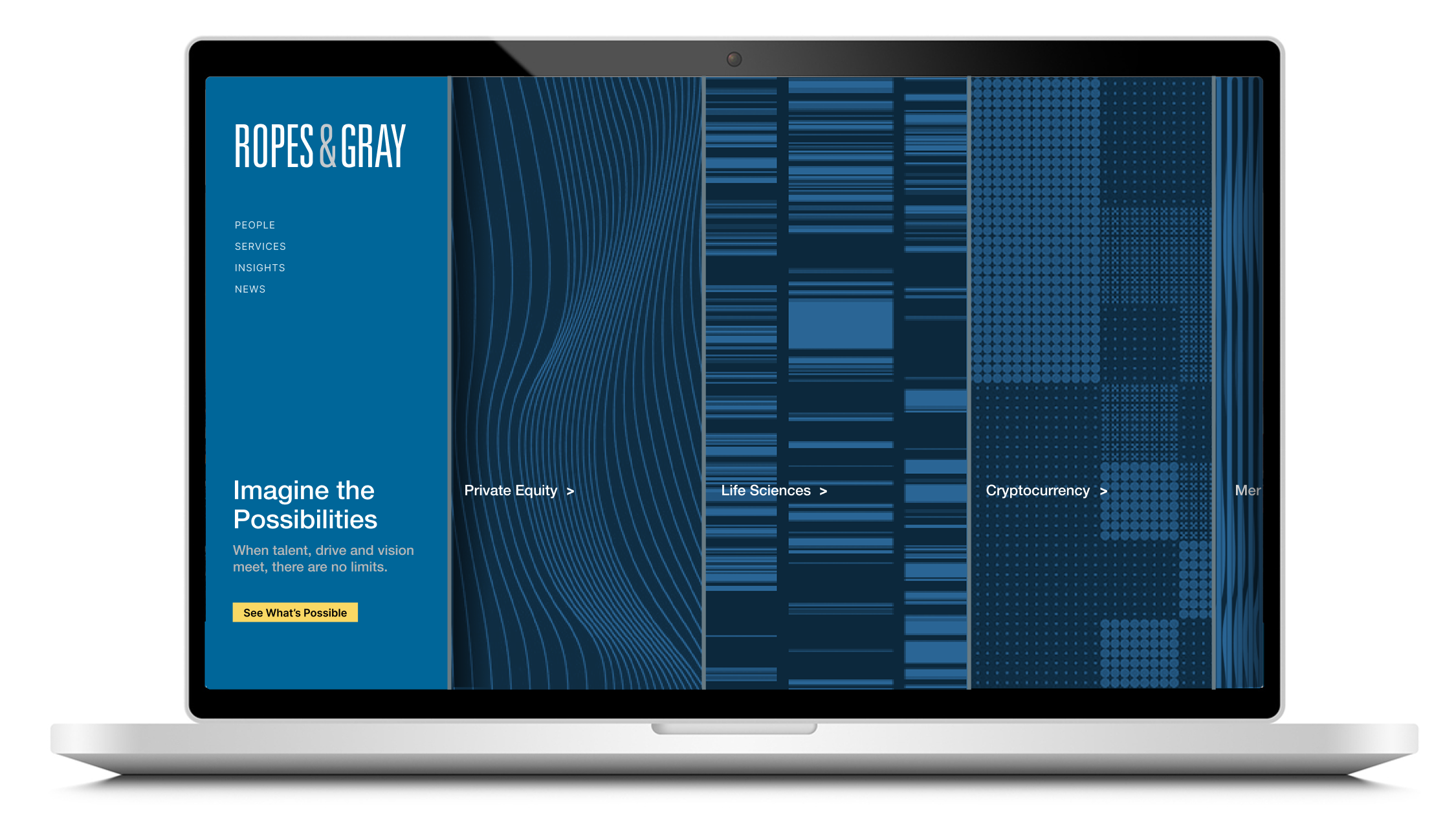
Structural Grids: A layout system that brought cohesion to diverse practice areas, from Private Equity to AI-privacy.
Employer Brand Refresh: Positioned the firm as an aspirational leader for new talent by showcasing work at the intersection of AI and cancer research.
Approachable Expertise: We moved beyond traditional client memos to multi-format video and podcasts, framing partners as accessible, plain-spoken experts.
Results
Operational Scale: Successfully managed 2,800+ assets annually with zero loss in quality.
Financial Performance: Raised billing completion by 32%, directly impacting the firm's bottom line.
Lead Generation: Achieved a 10% conversion rate on flagship events through integrated, multi-touch journeys.
Digital Authority: Grew the firm’s share of voice to its highest level in history through high-velocity content publishing.
Reflection
The biggest win at Ropes & Gray wasn't the visual refresh; it was the shift in design maturity. By moving the design system into the technology core and fixing fundamental operational issues (like billing and content velocity), we proved that design is a business strategy. We turned a strained, service-oriented team into a respected, high-impact creative engine that drives the firm’s global reputation.