Johnson & Johnson
A Global Brand & Design Systems Transformation

I led the unification of J&J’s fragmented digital landscape (200+ global properties) into a single, purpose-led design system. By architecting a "Freedom within a Framework" model, we achieved 82% adoption in 18 months and saved $8M in external agency spend.
Category
Enterprise / Healthcare Multi-platform Global Footprint
Role
Lead Global Brand Design & Experience Designer (Leading a cross-functional team of 12)
As the strategic architect for J&J’s global identity, I transformed a disconnected holding-company model into a unified, digital-first enterprise. We detangled centuries of legacy to create a shared visual language for Corporate, MedTech, and Pharma sectors.
We moved from a state of organizational ambiguity to a high-velocity engine where "Heart, Science, and Ingenuity" became the functional standard for every touchpoint.
Impact at a glance
82% adoption across all global divisions within 18 months
$8M saved in external agency spend by empowering internal teams
40% reduction in creative and developer build times
23% higher engagement on purpose-led global campaigns
200+ global properties unified under one narrative operating system
The Challenge: From Fragmentation to Enterprise Equity
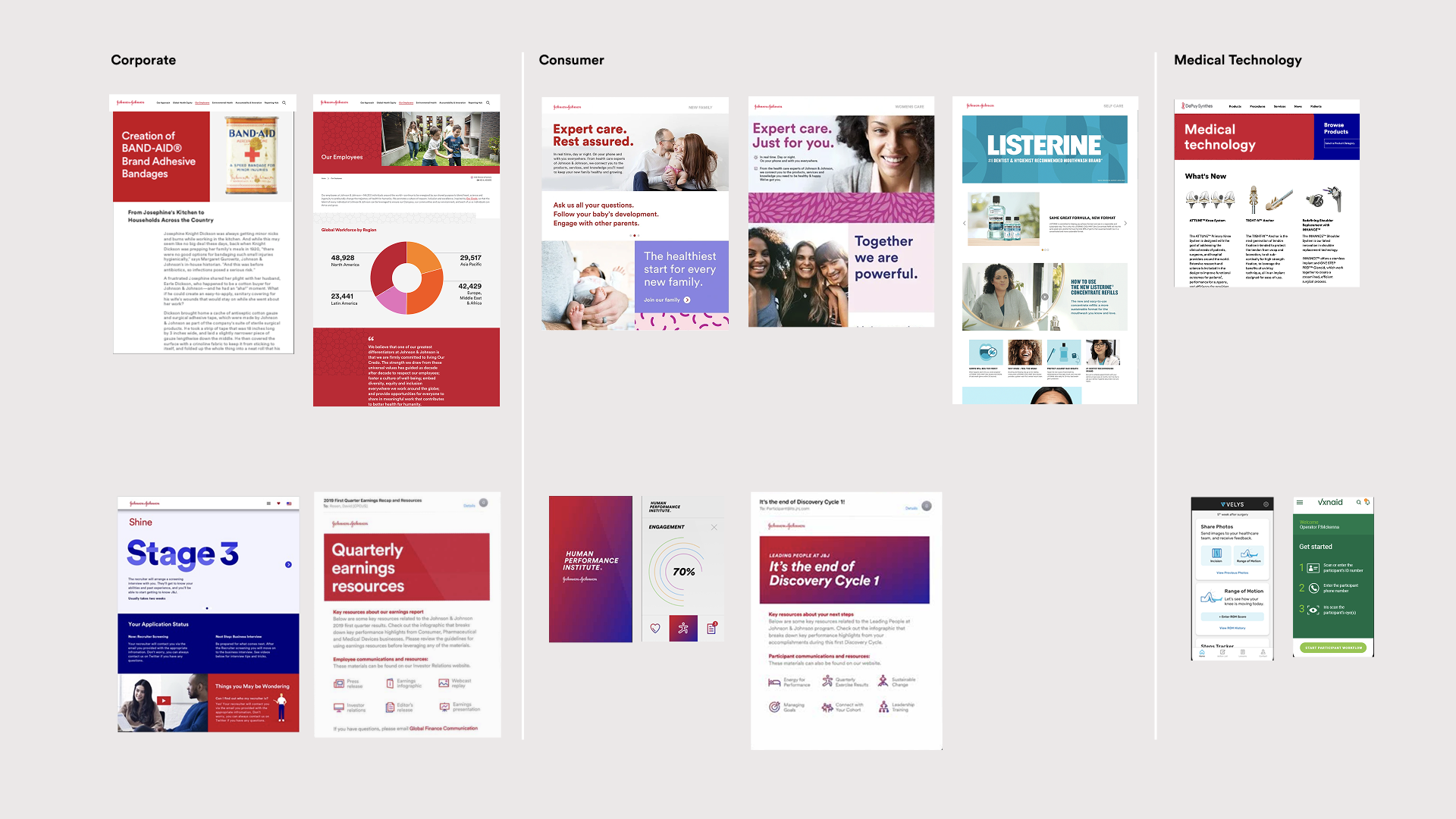
When I stepped into this role, Johnson & Johnson operated as a collection of silos. With over 200 digital properties and independent stakeholders across MedTech, Pharma, and Consumer sectors, the brand experience was fractured.
The lack of a unified system meant teams were reinventing the wheel for every launch. This redundancy wasn't just a design problem; it was a massive financial and operational drain. My mission was to pivot J&J from a fragmented holding company to a single, purpose-led brand narrative.
The goal: "Enable global coherence through strategic leverage." Leverage meant creating a system that was rigid enough to protect the masterbrand trust, yet flexible enough to support the distinct voices of iconic brands like Listerine and high-stakes medical platforms like Velys (robotic surgery).

Approach: Building Leverage Through "Freedom within a Framework"
1. Architectural Strategy: Fixed vs. Flex
We couldn't force a "one size fits all" solution on a global giant. I architected the "Freedom within a Framework" model:
Fixed Zones: Core enterprise equity, accessibility standards (ADA), and semantic rules that remained untouchable to ensure masterbrand integrity.
Flex Zones: Permitted tiers of expression for diverse sectors, allowing human warmth of Consumer brands or a scientific rigor of MedTech.
Modular Scaling: Developed a system where the identity scales seamlessly from software interfaces to physical packaging.
2. Technical Infrastructure & Tooling
To ensure the system was an accelerator rather than a hurdle, we built a robust technical bridge:
Figma-to-React Pipeline: We baked design rules directly into the code using React tokens and Storybook, ensuring developer alignment from day one.
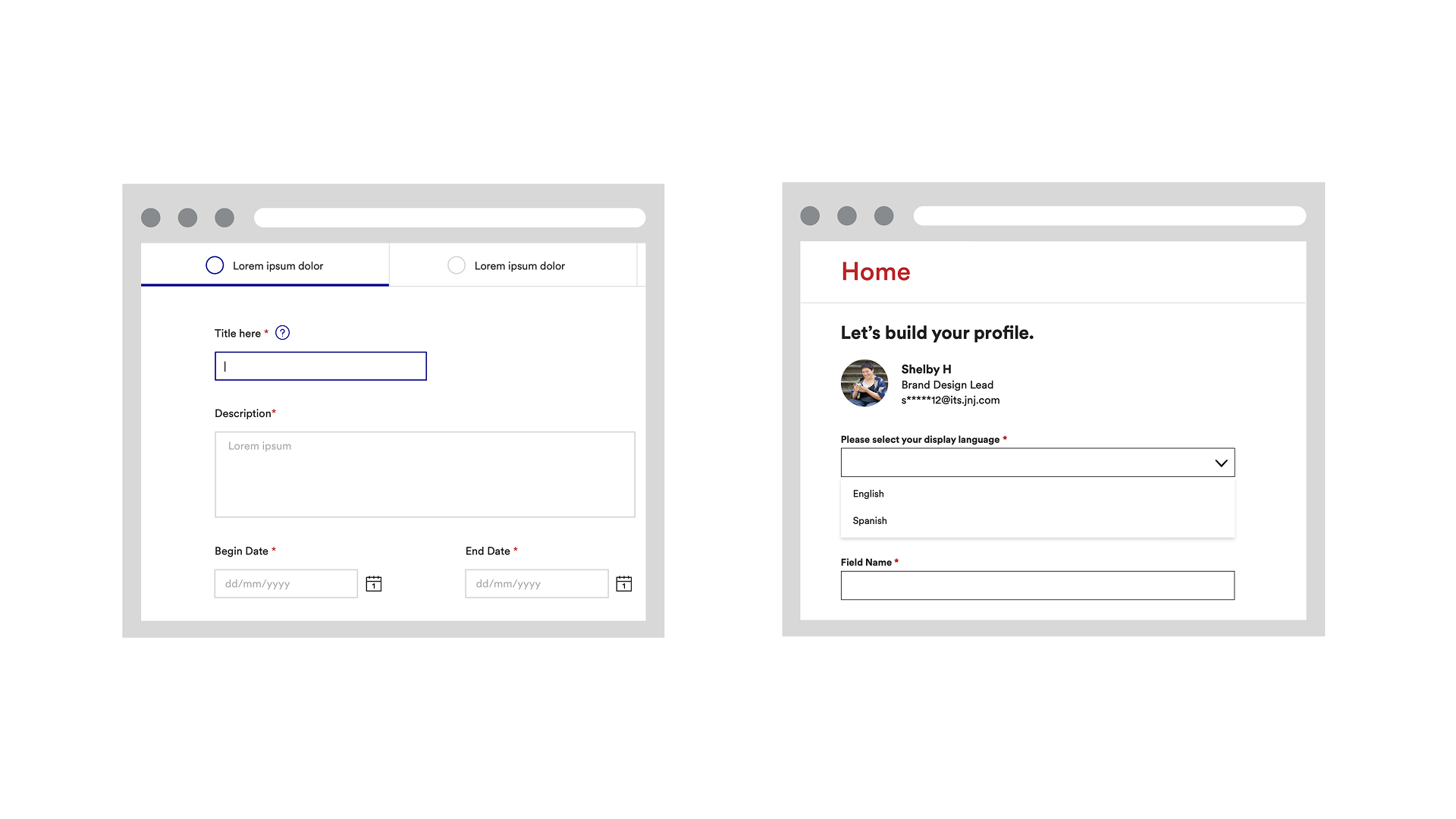
Universal Utility: Built-in ADA compliance ensured that every component in the library was accessible by default, removing a major friction point for product teams.
3. Governance: From Centralized to Federated
A global system cannot be "policed" into existence; it must be adopted.
Community Ownership: I transitioned the strategy from a centralized core to a federated model. This empowered product teams to contribute components back to the global library.
Data-Driven Quality: We measured success through component usage heatmaps and UI quality scores, turning the system into a high-velocity engine of shared investment.
4. Cultural Enablement
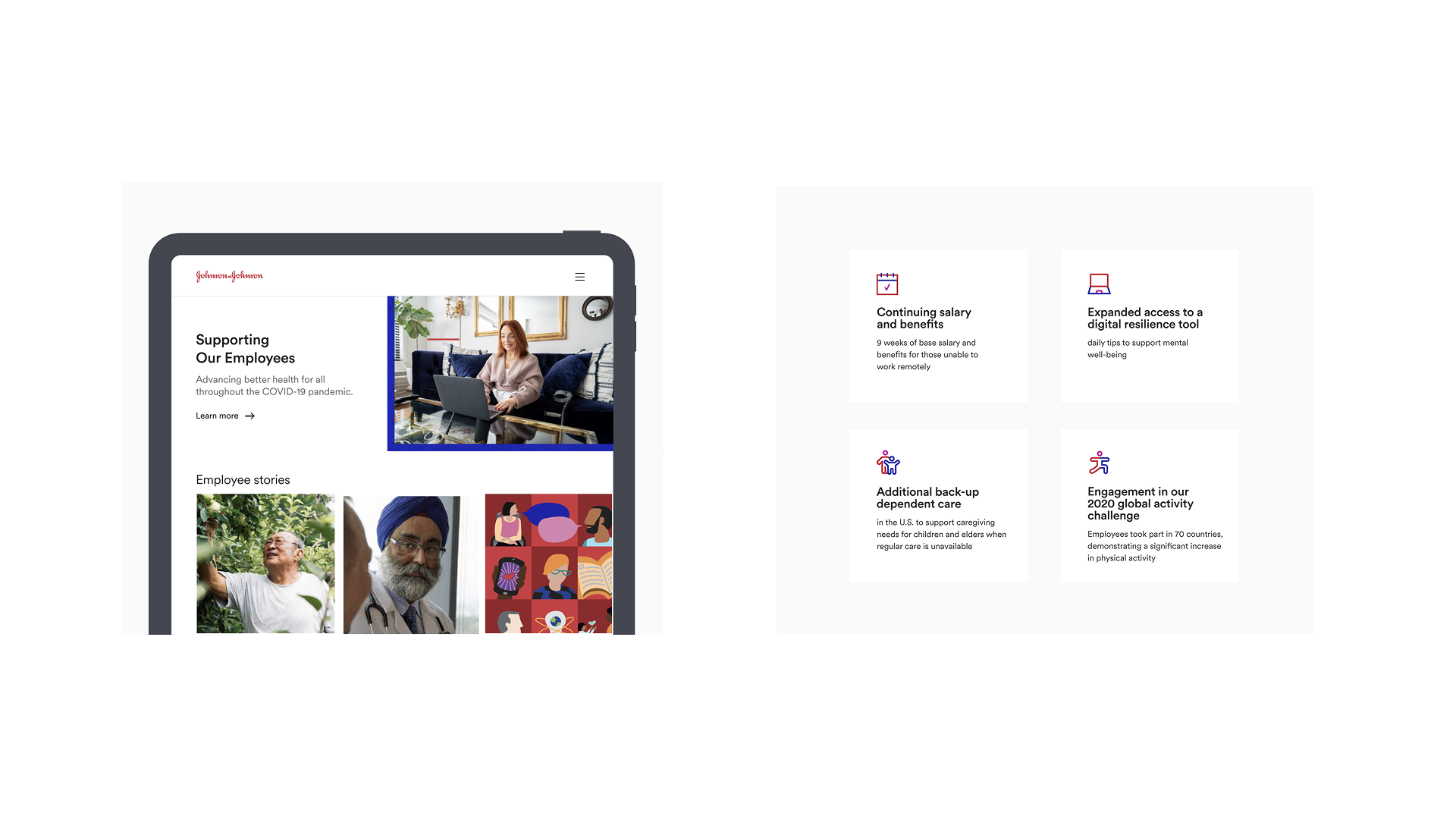
We treated the internal organization as our primary user. We mapped employee journeys (from recruitment platforms to wellness initiatives) to ensure the brand purpose was lived internally before it was projected externally. Through stakeholder workshops, we uncovered the cultural "blind spots" that data alone couldn't find, shifting the internal narrative from "losing control" to "gaining equity."
Strategic Trade-offs: Judgment over Execution
A design system of this scale requires difficult choices. My role was to navigate these trade-offs to ensure the system actually shipped and stayed relevant.
Trade-off: Token-First vs. Component-First
Option A: Build high-visibility components quickly to show immediate progress.
Option B: Architect a robust token system first to support long-term scalability.
Decision: Token-First.
Why: With 200+ properties ranging from clinical MedTech tools to Consumer retail sites, we needed multi-theme support and baked-in accessibility (ADA) from the start.
Impact: Although it slowed the initial three months of delivery, it prevented massive rework and enabled us to scale the system globally without breaking consistency.
Trade-off: Governance Control vs. Team Autonomy
Option A: Centralize all decisions to prevent "category drift" and chaos.
Option B: Decentralize and allow product teams to fork the system.
Decision: Federated Community Ownership.
Why: In a decentralized giant like J&J, adoption is a cultural win, not a technical one. We needed teams to feel like owners, not subjects.
Impact: Transitioned to a model where global teams contributed components back to the core, increasing velocity and quality across the board.
Trade-off: Migration Big Bang vs. Gradual Rollout
Option A: Mandate a total firm-wide cutover to the new system.
Option B: Roll out through high-impact flows and new product launches.
Decision: Gradual, high-impact rollout.
Why: A "Big Bang" approach in a high-stakes healthcare environment carried too much operational risk and financial cost.
Impact: Reduced disruption while proving the system’s value through 23% higher engagement on early-adopter campaigns.
-
![]()
Global Design System (scroll 15 pgs)
-
![]()
Grid
-
![]()
Navigation
-
![]()
Narrative content
-
![]()
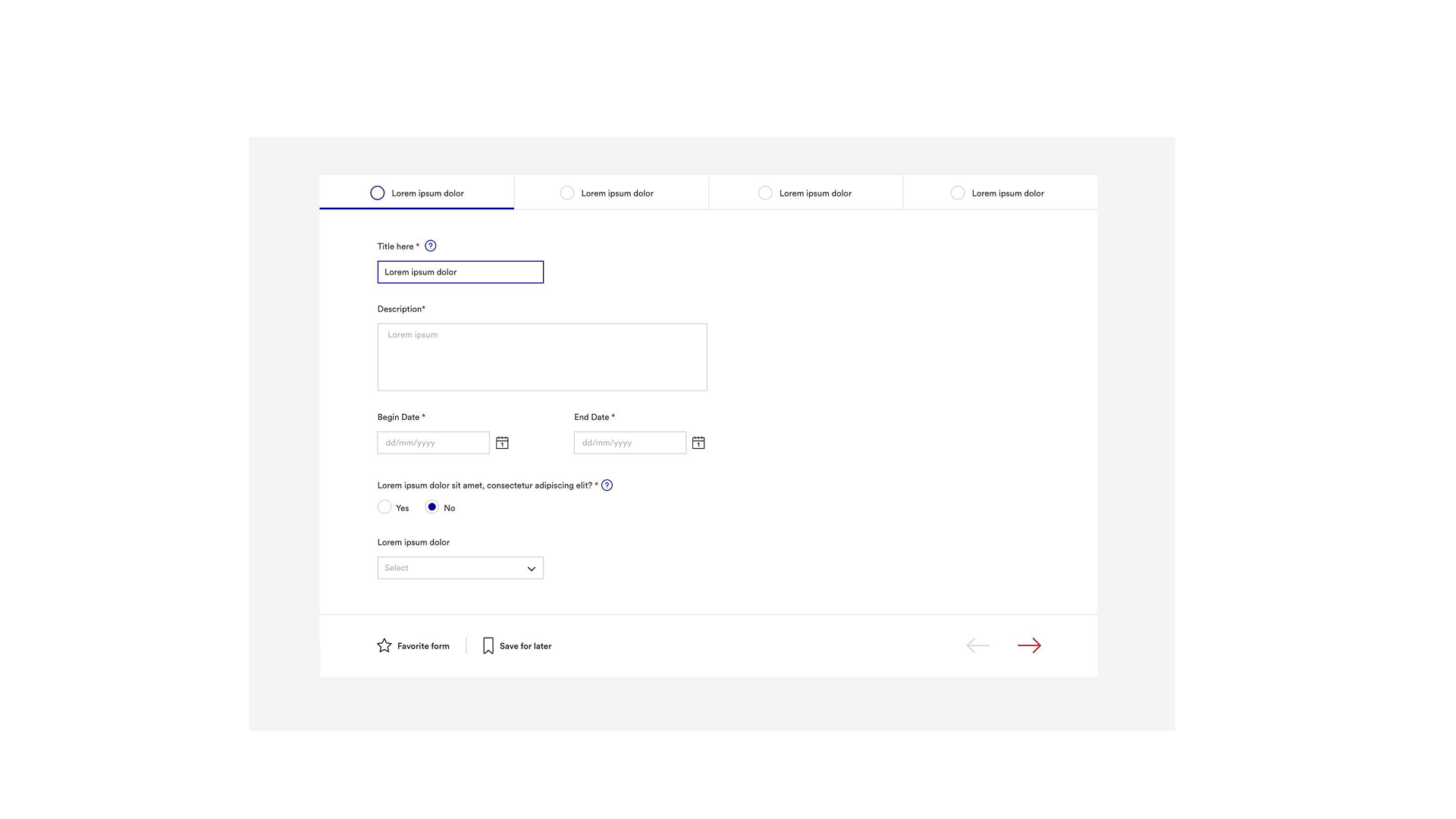
Form Details
-
![]()
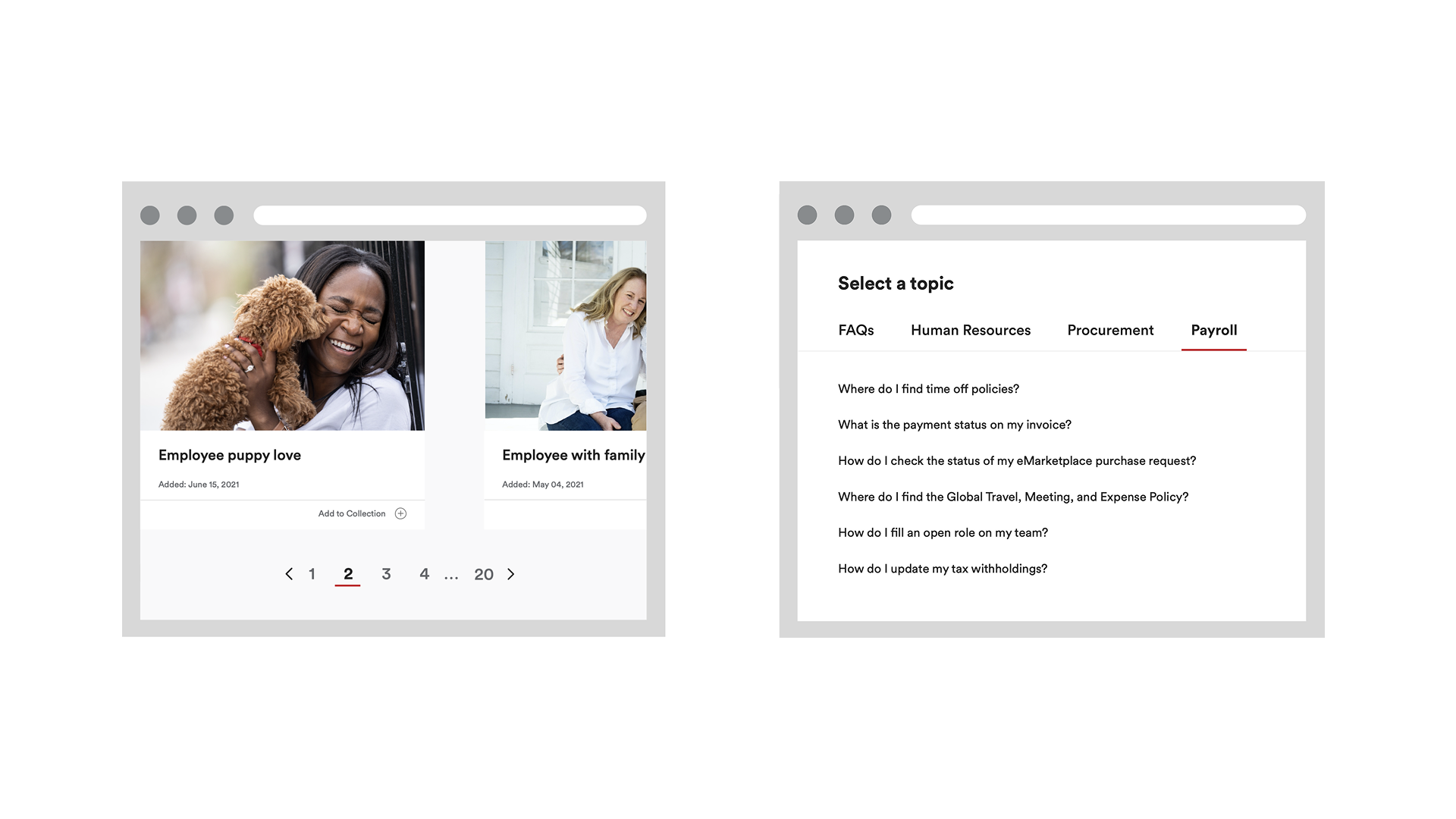
Content Nav
-
![]()
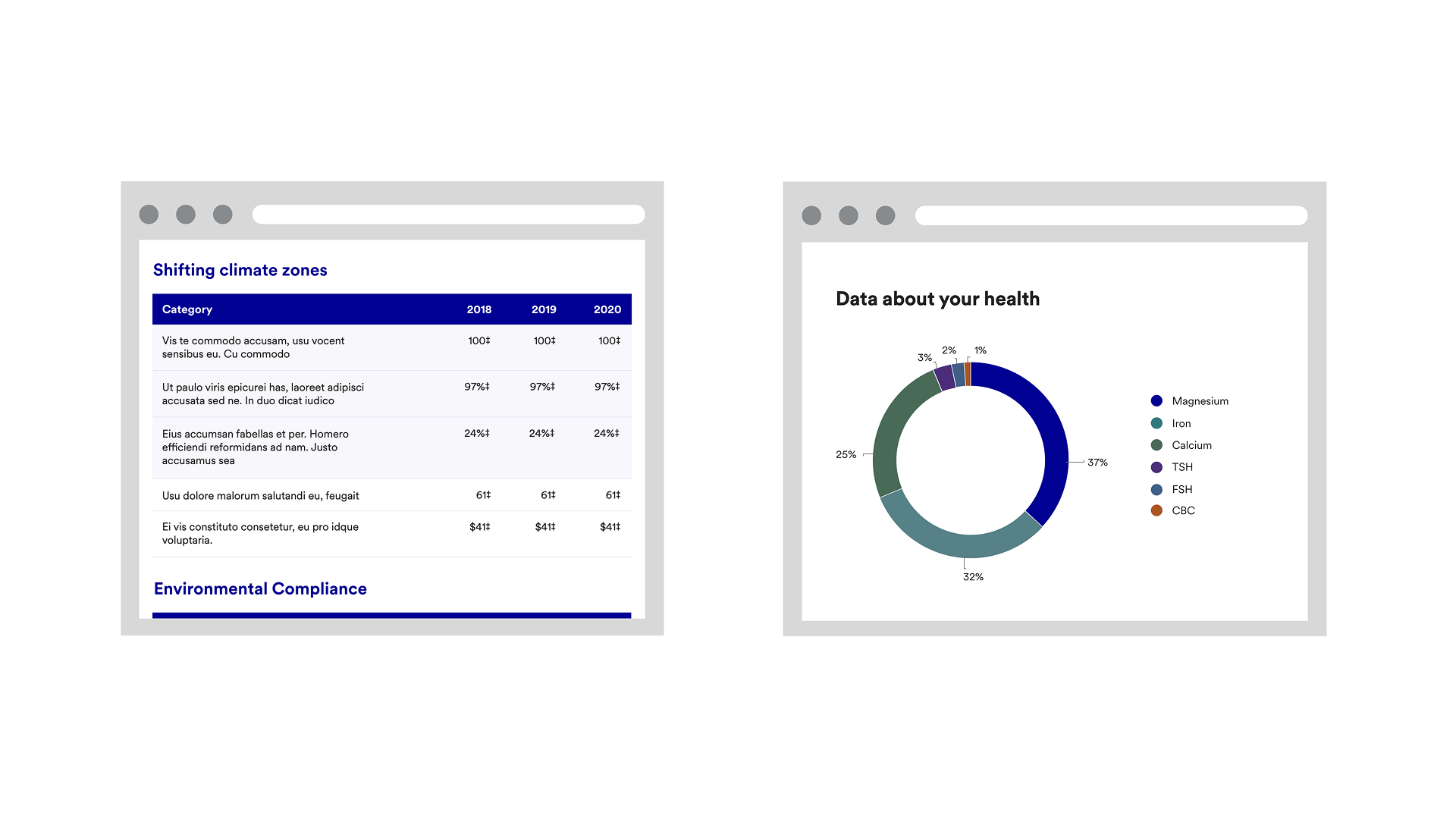
Table Charts
-
![]()
Navigating content
-
![]()
Process progress
-
![]()
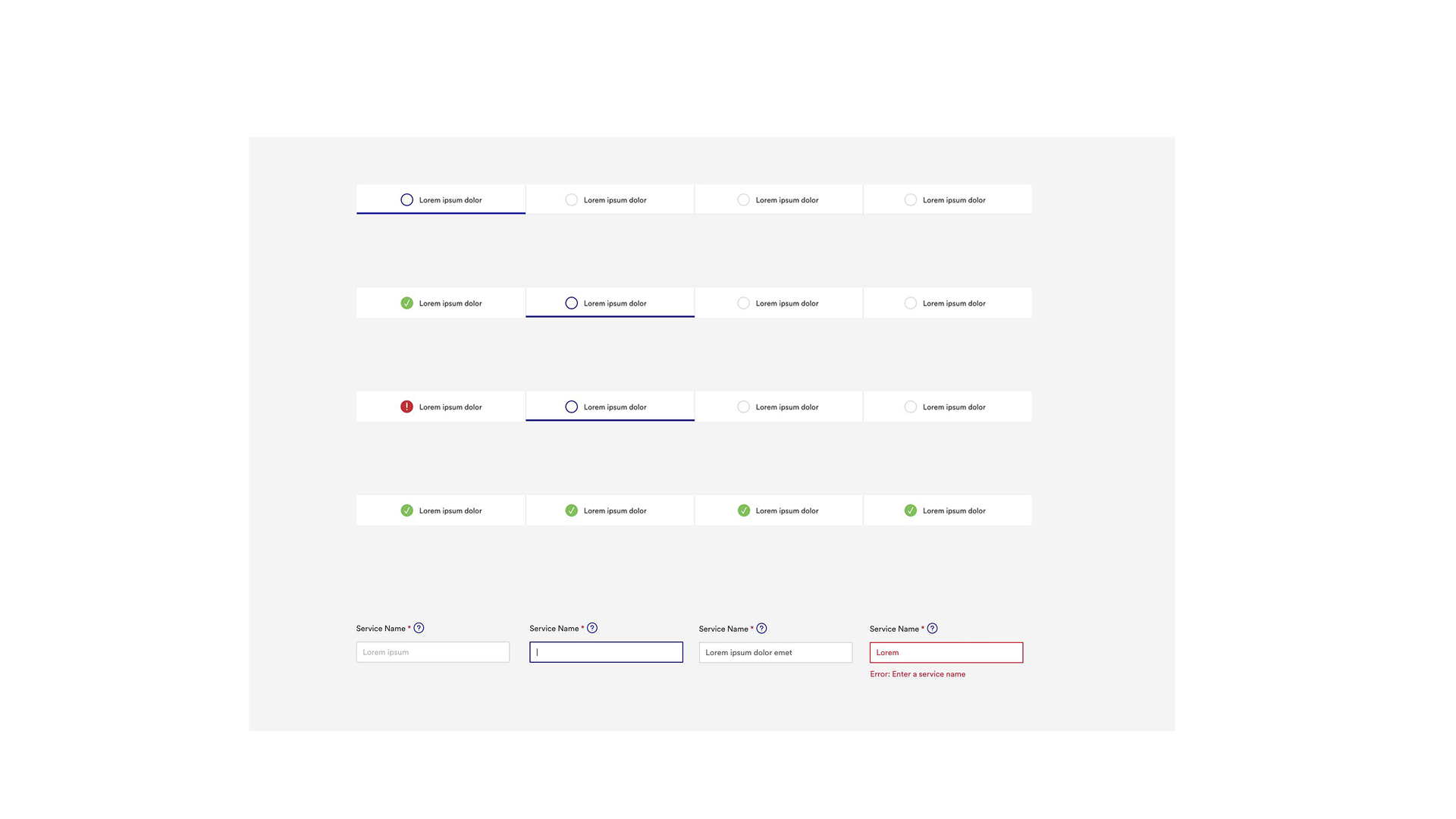
Progress states
-
![]()
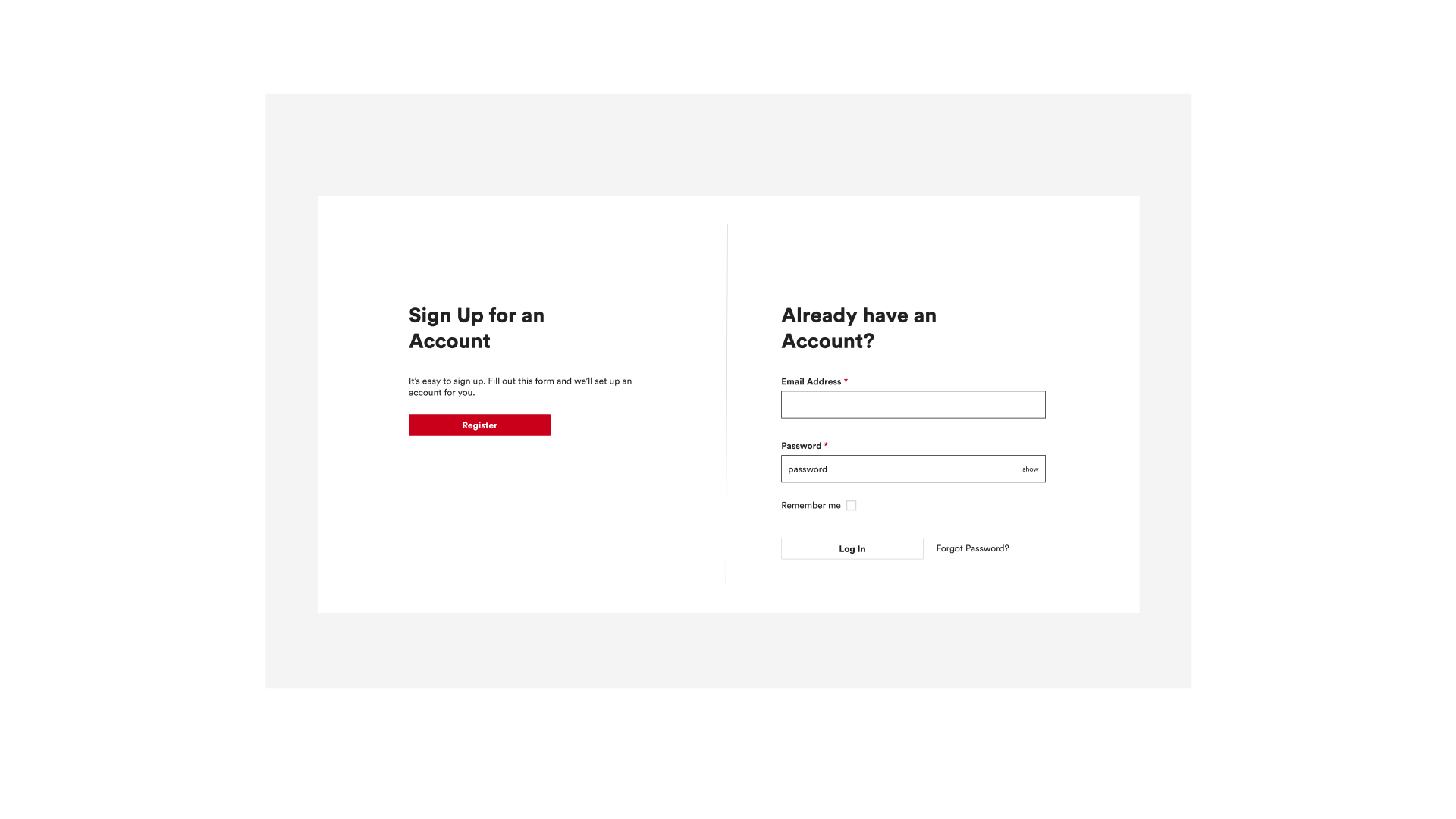
Login
-
![]()
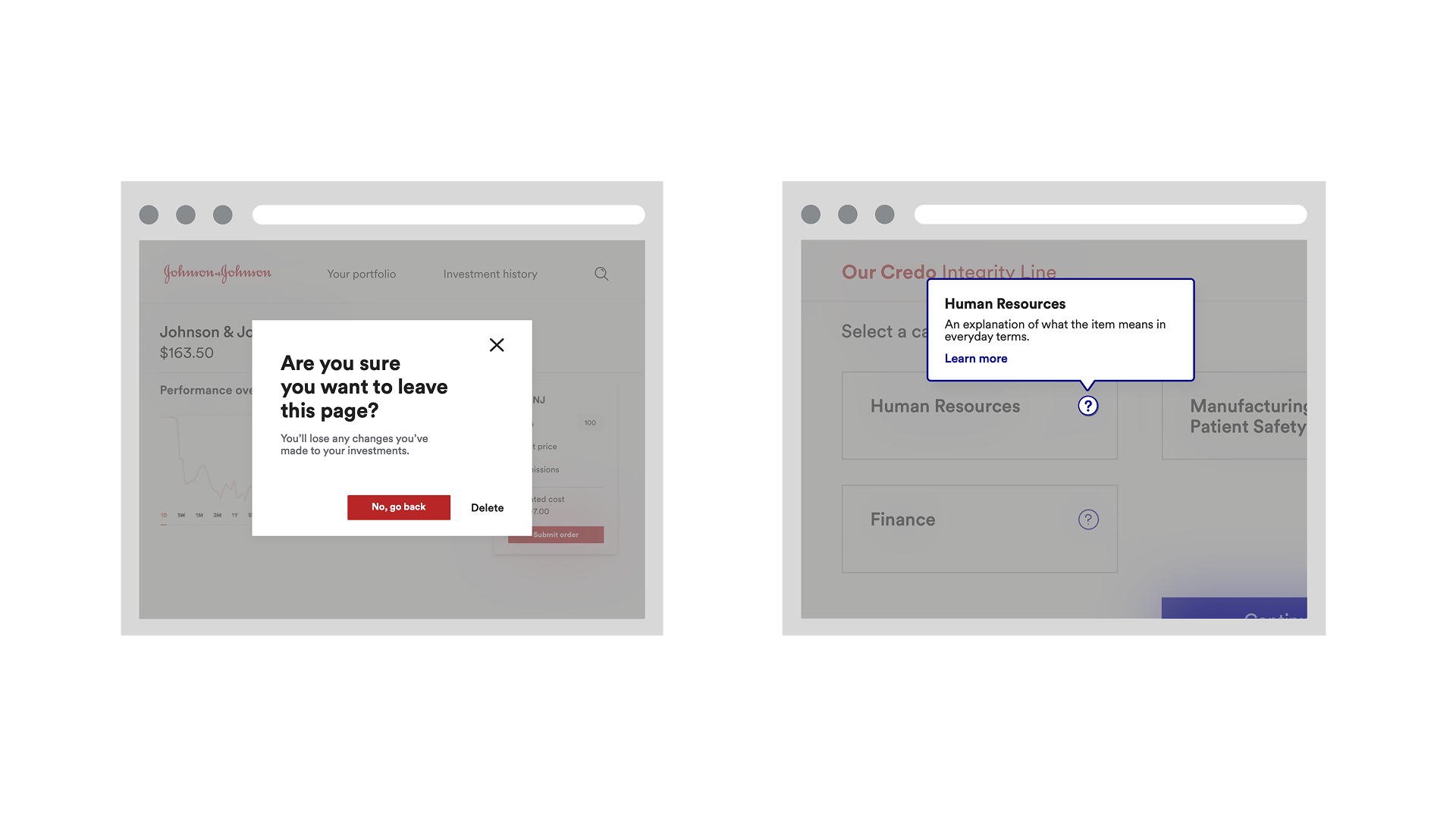
Dialogue
-
![]()
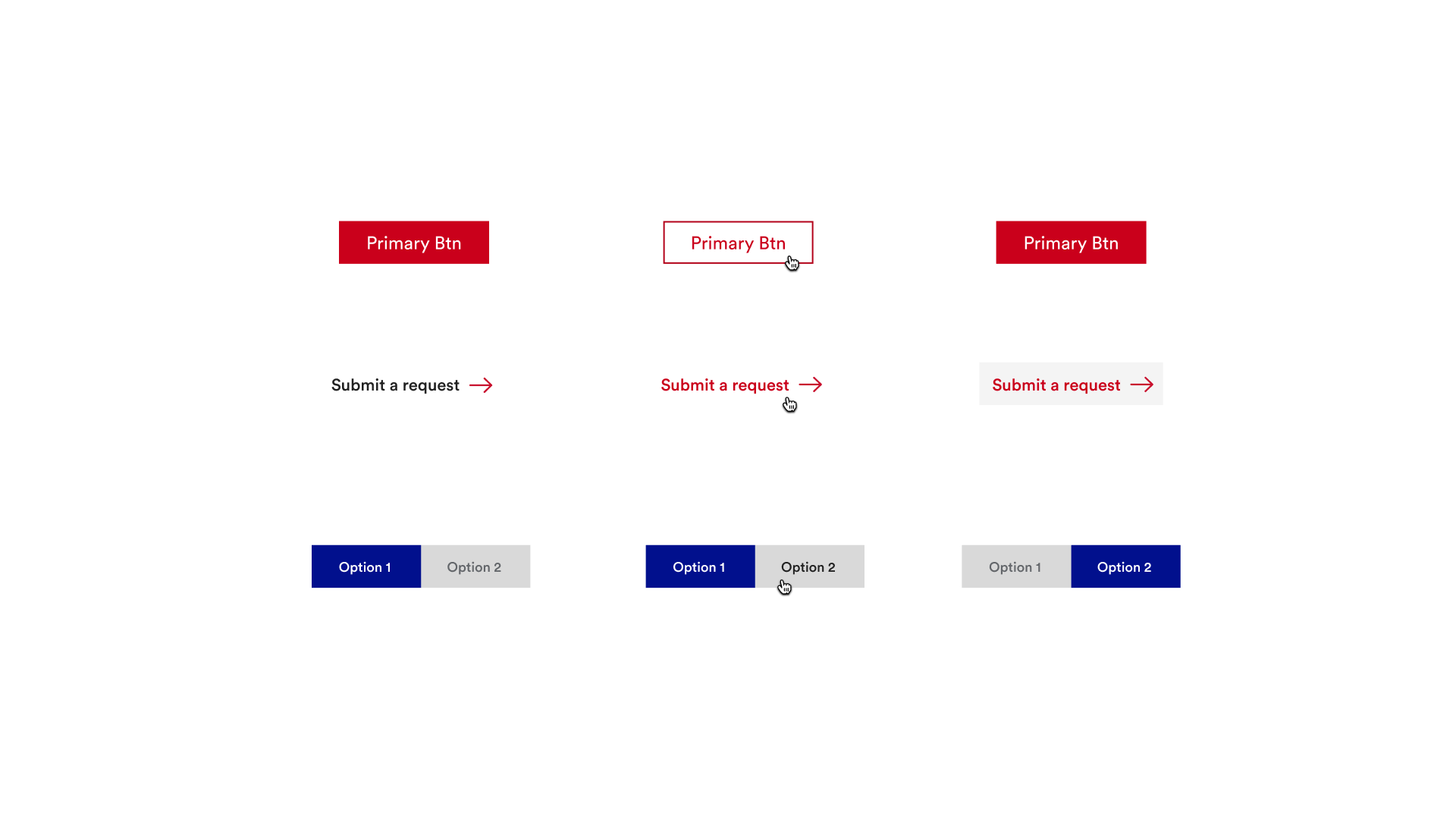
Buttons
-
![]()
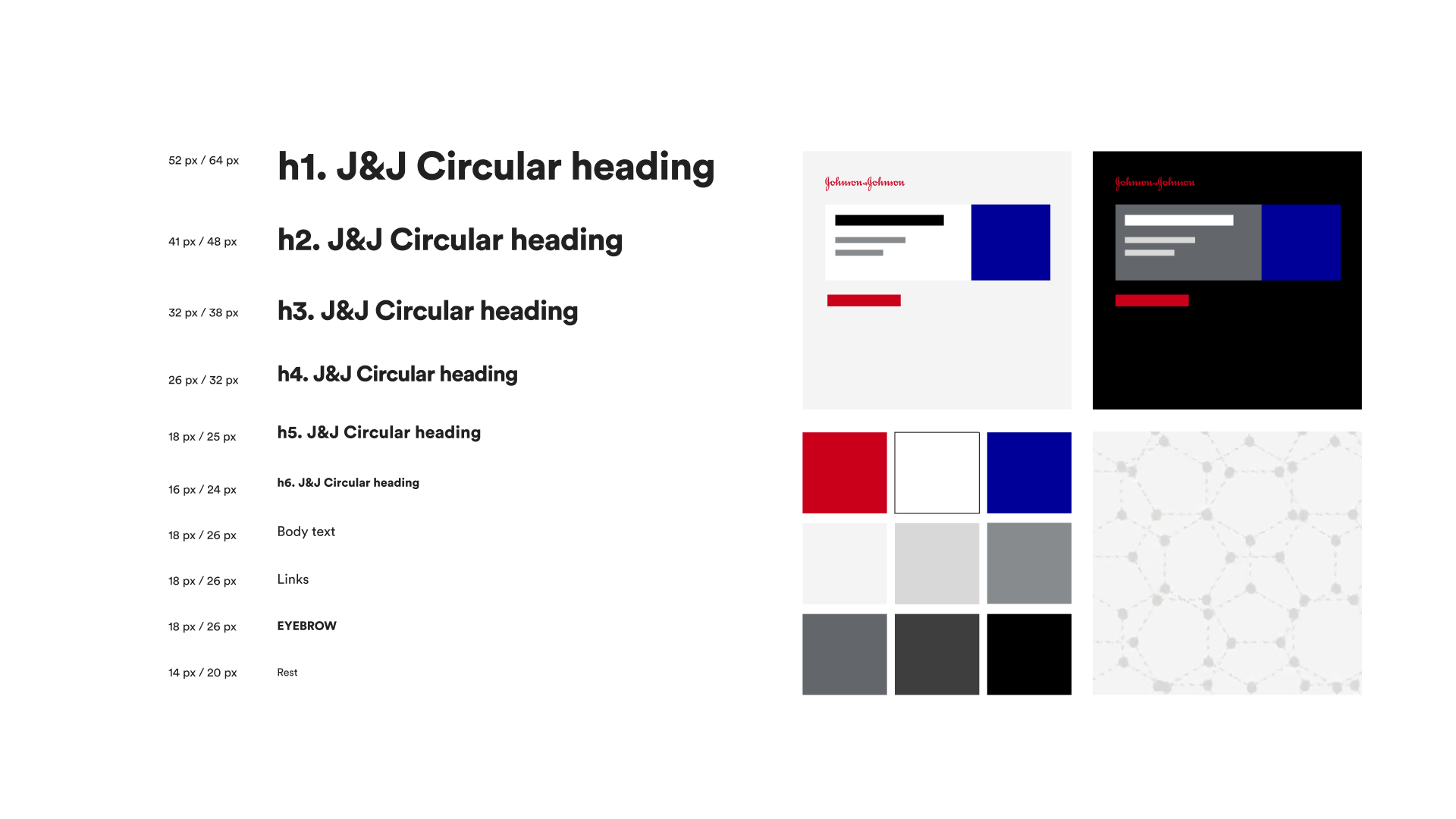
Core Elements
-
![]()
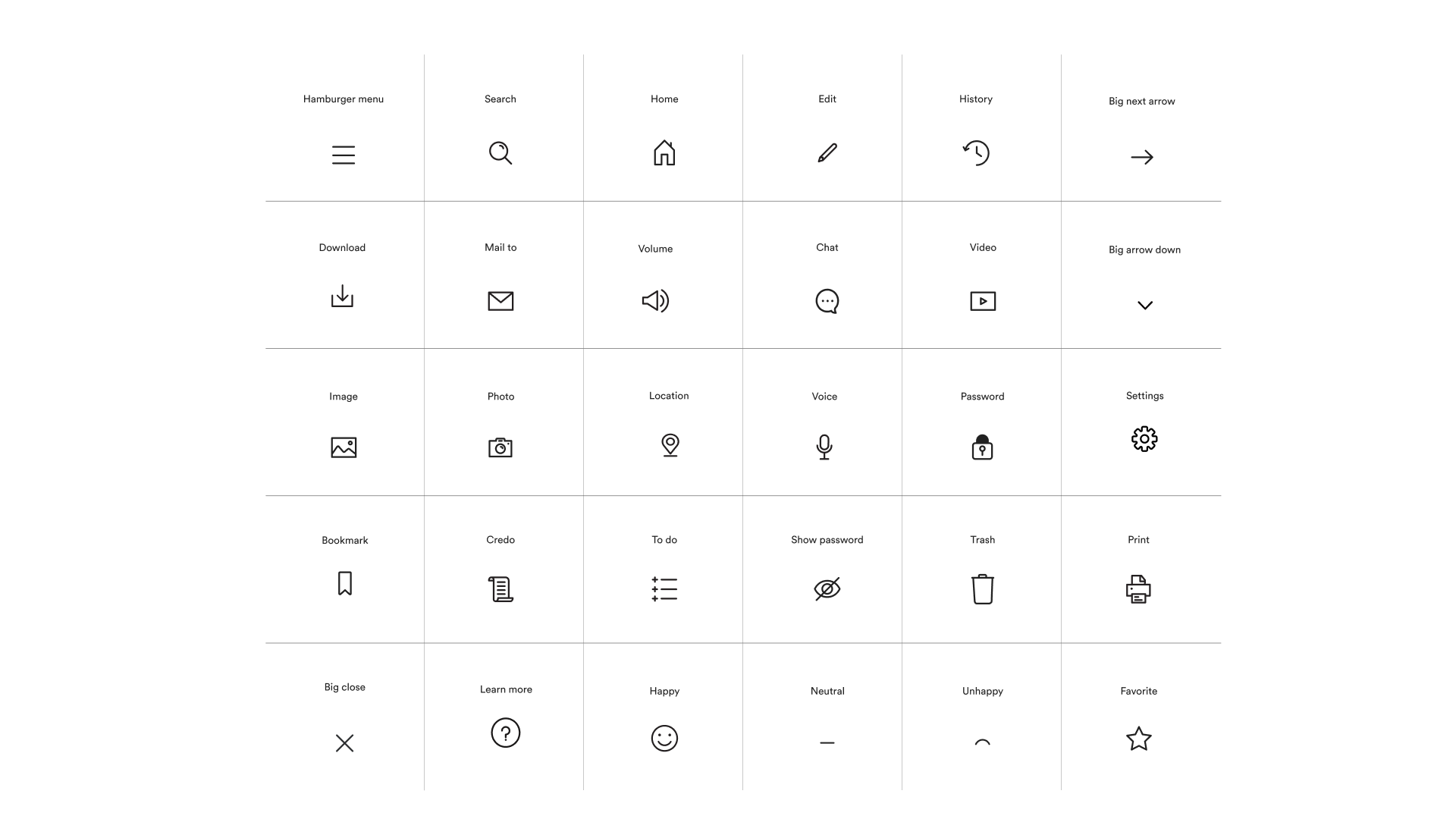
Icons
-
![]()
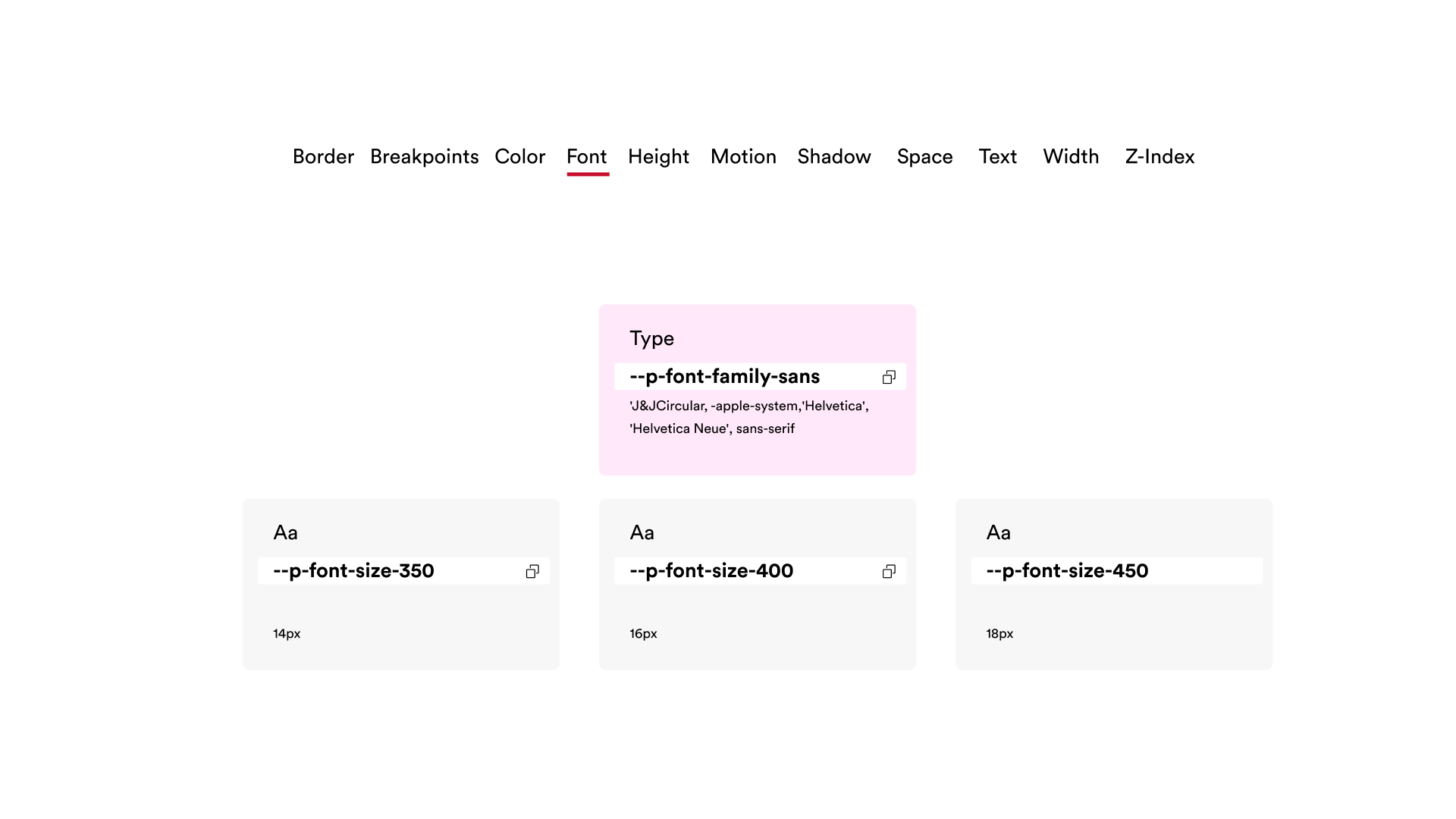
Tokens
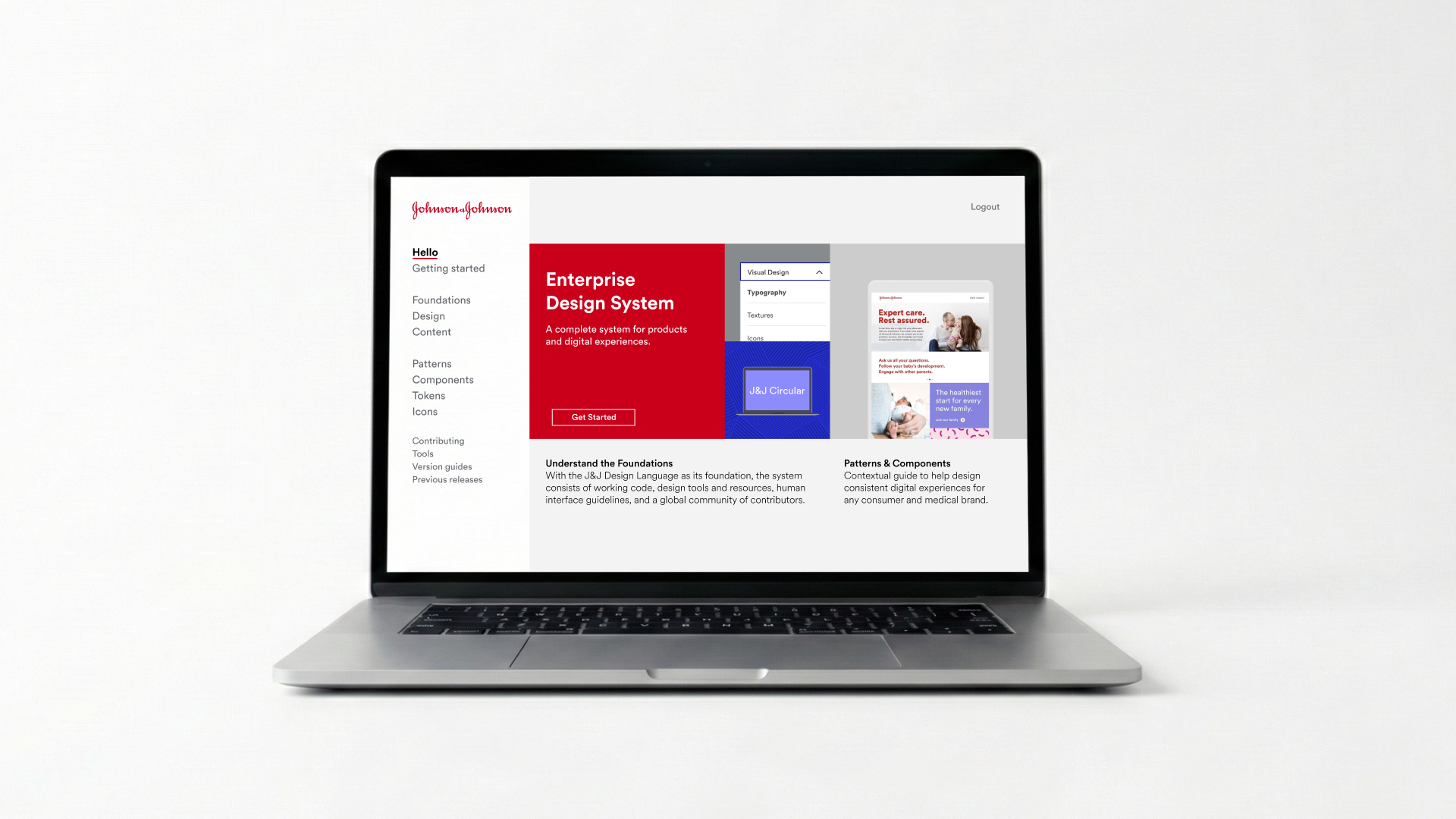
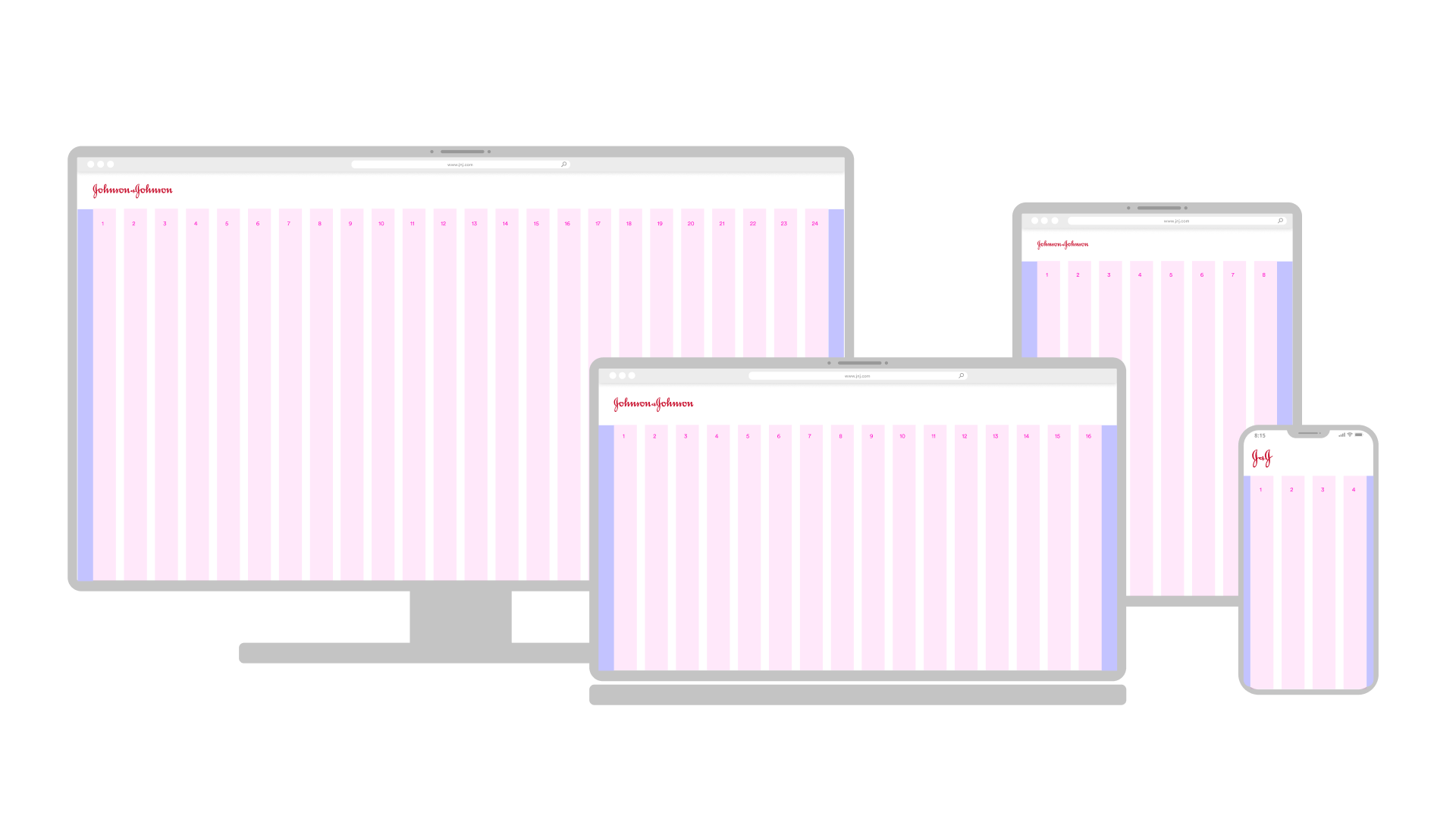
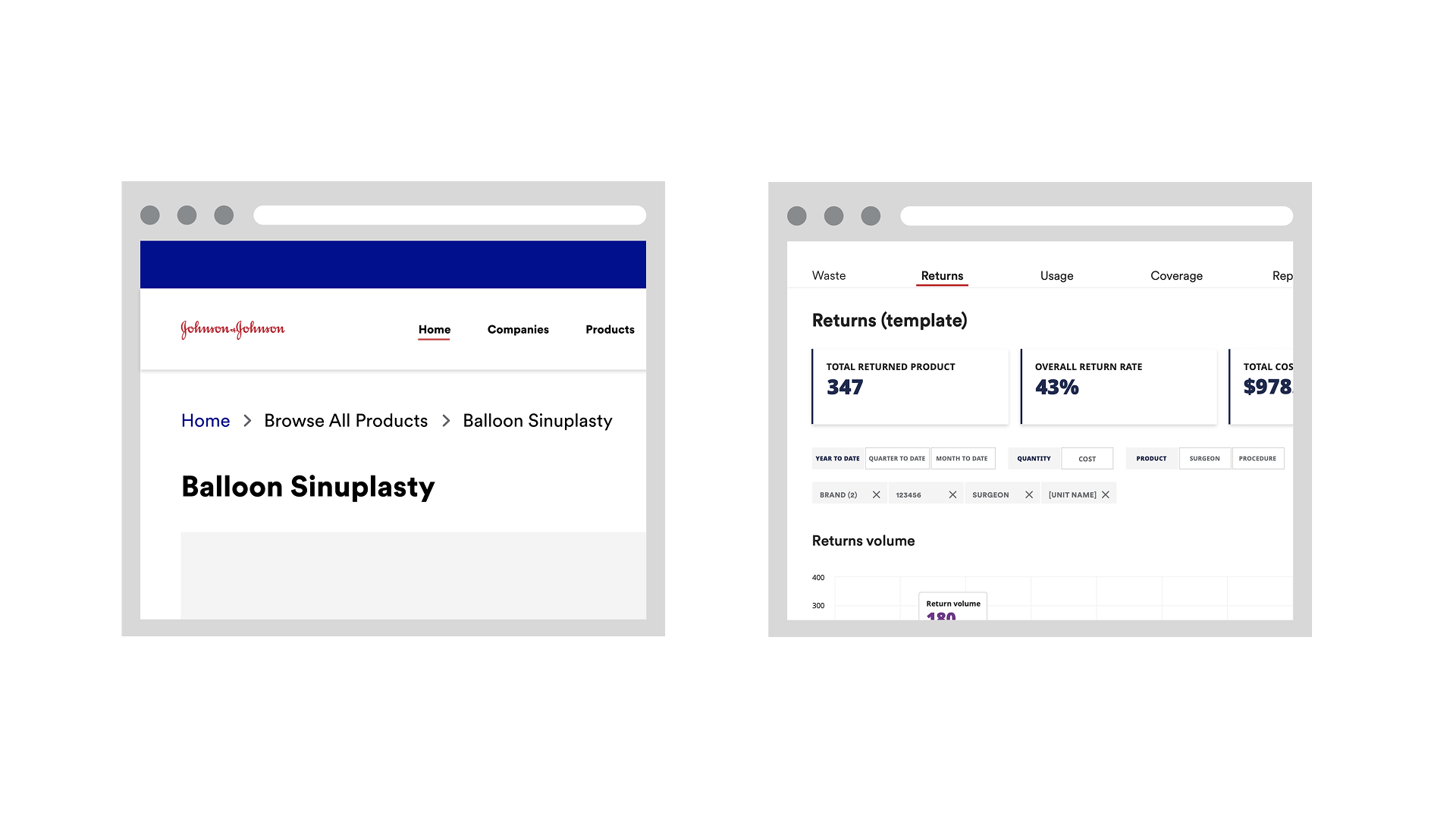

The Visual Evolution: "Measured Boldness"
Once the infrastructure was stable, we translated 130 years of legacy into a modern "narrative operating system."
The Vision: "A design language of care (tactile, rigorous, and human)."
We replaced outdated clichés with a toolkit of:
Human-Centered Activations: Documentary-style photography and inclusive illustrations.
Scientific Rigor: Technical UI cues for robotic platforms and medical devices that balance warmth with absolute precision.
Measured Boldness: A typography and motion framework that projects confidence across global television spots and social campaigns.
Because of the "Freedom within a Framework" architecture, we were able to unify J&J’s global MedTech businesses and robotic platforms under one story of care, ensuring every touchpoint resonates with both precision and heart.
Results
Adoption: 82% coverage across global divisions.
Efficiency: Standardized libraries cut build times by 40%.
Financial Impact: Reclaimed $8M in budget by reducing reliance on external agencies.
Cultural Impact: Successfully pivoted the enterprise from a holding company to a single, unified brand.
Reflection
The true transformation at Johnson & Johnson wasn't just the visual facelift. It was the architectural shift that allowed the organization to move as one. By establishing a shared visual language of care, we turned a fragmented landscape into a unified platform capable of driving surgical innovation and consumer trust at a global scale.
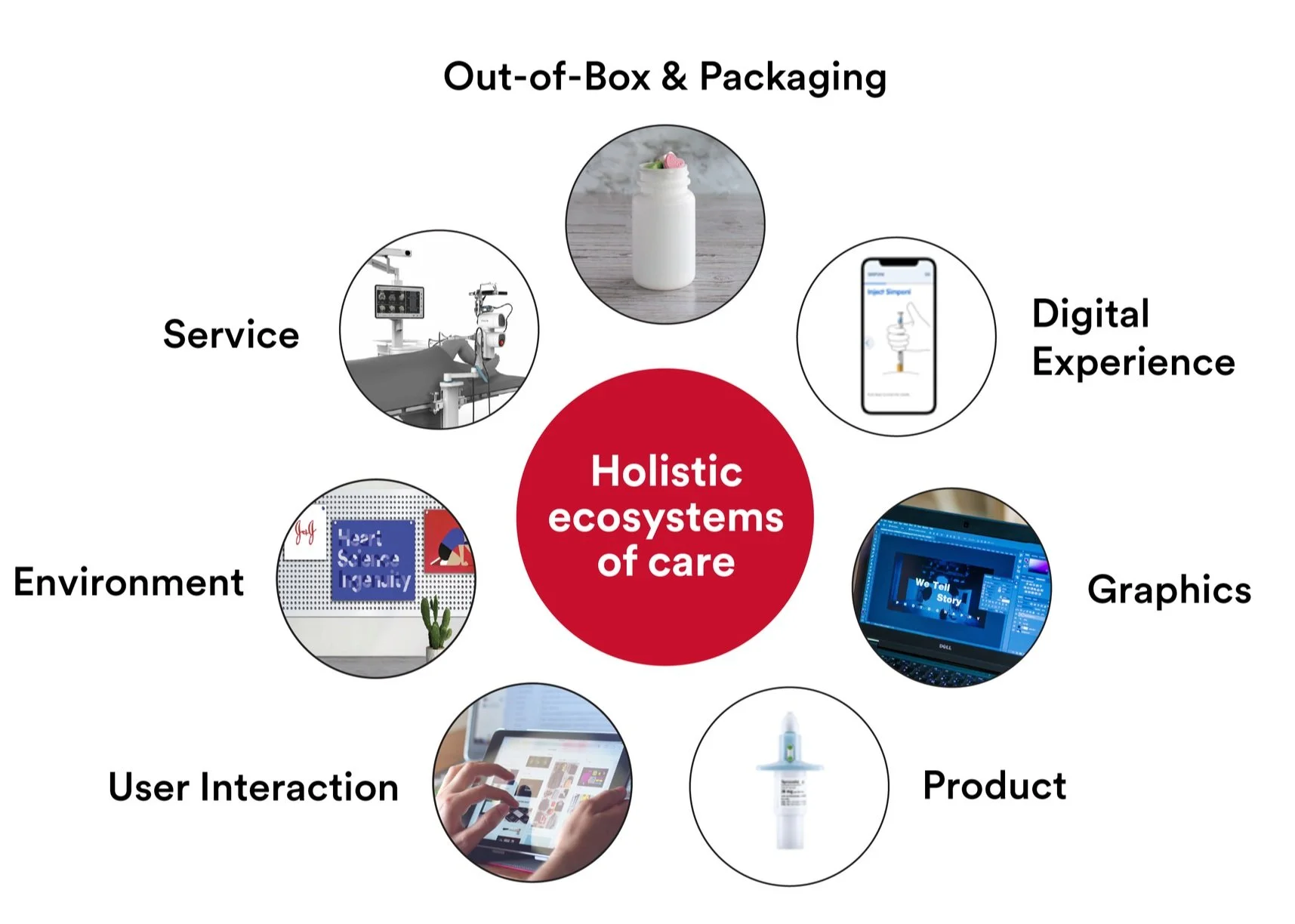
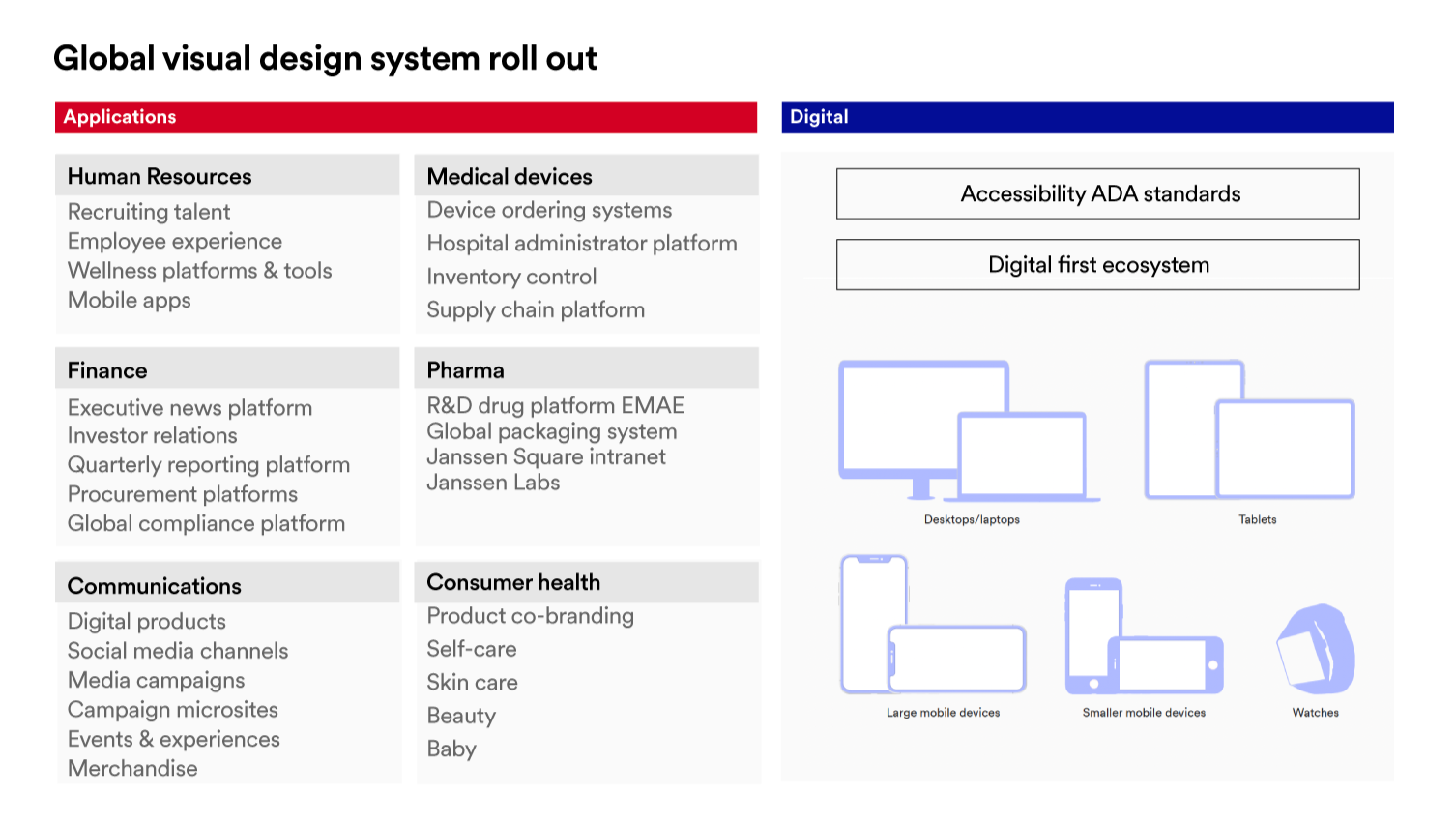


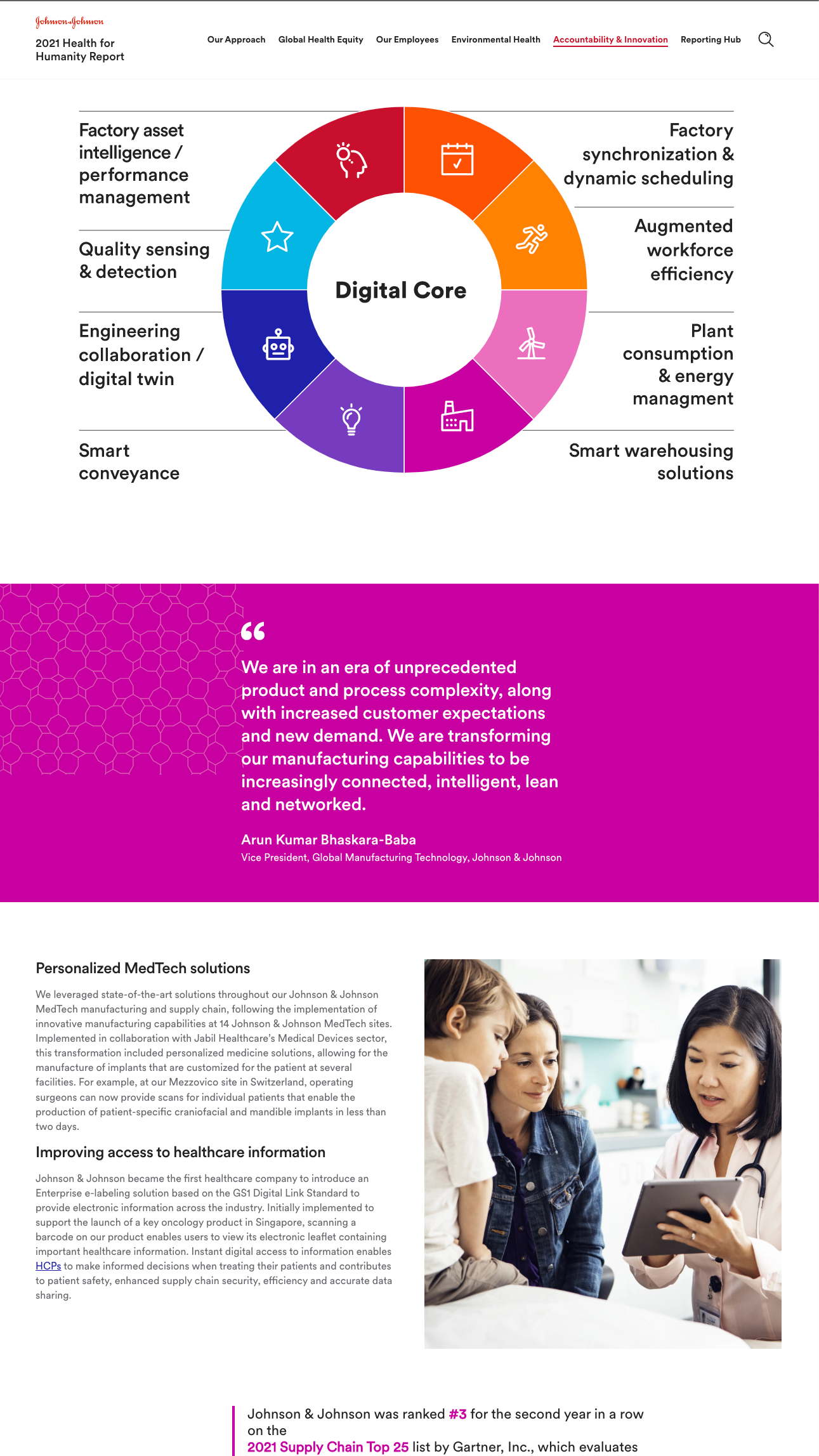
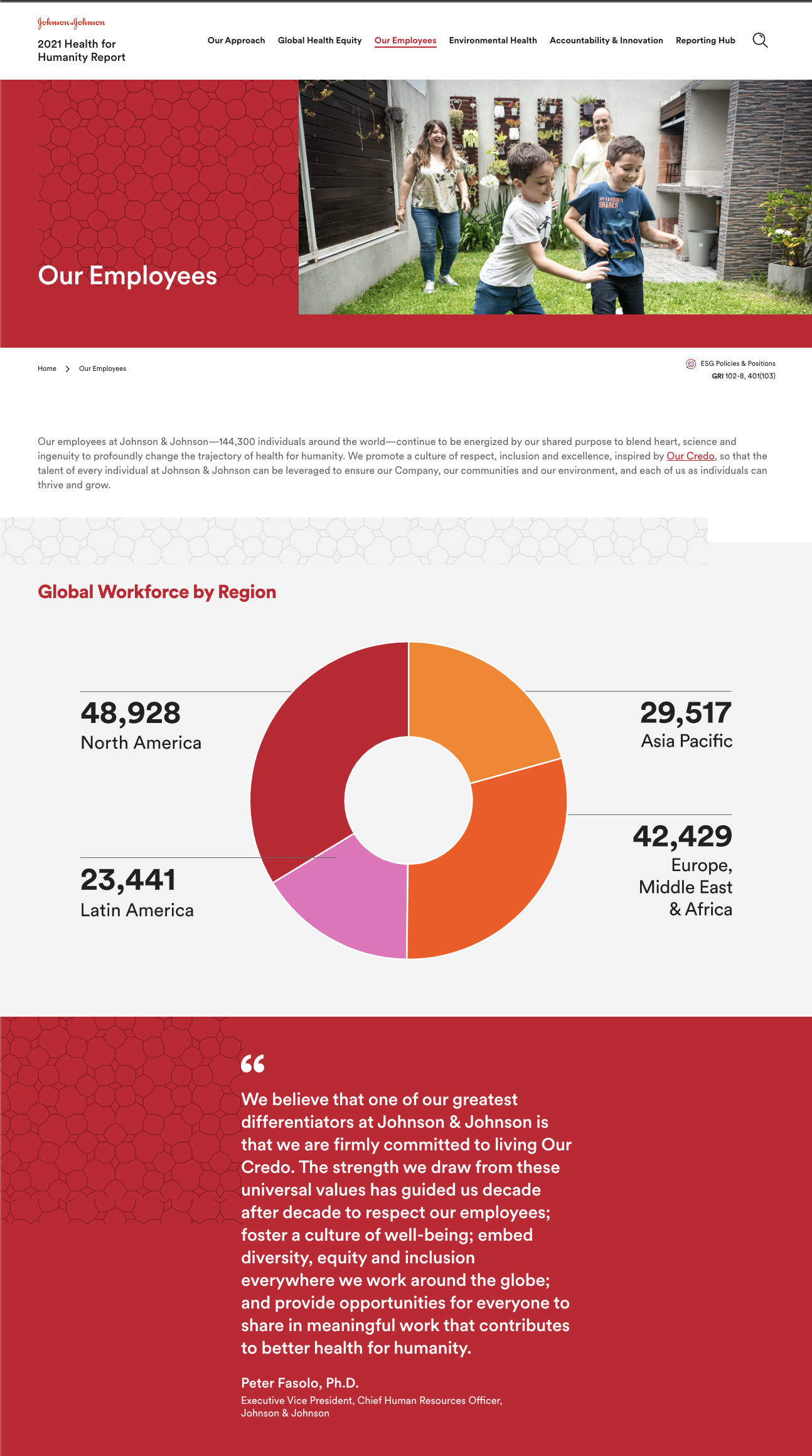
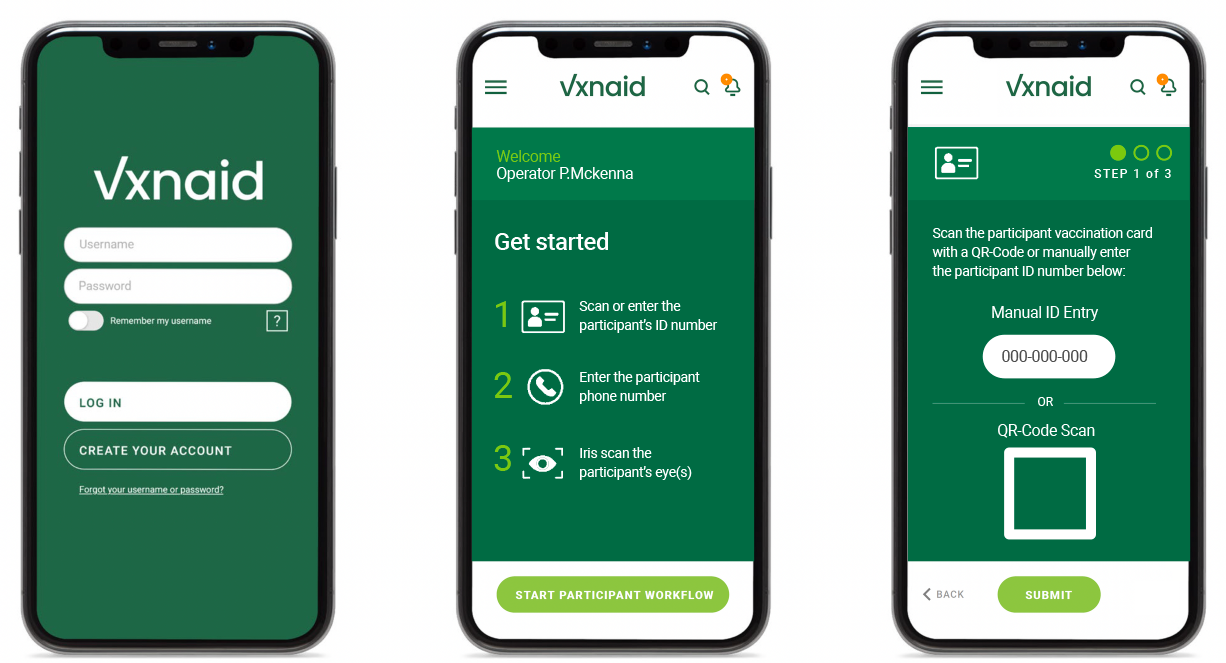


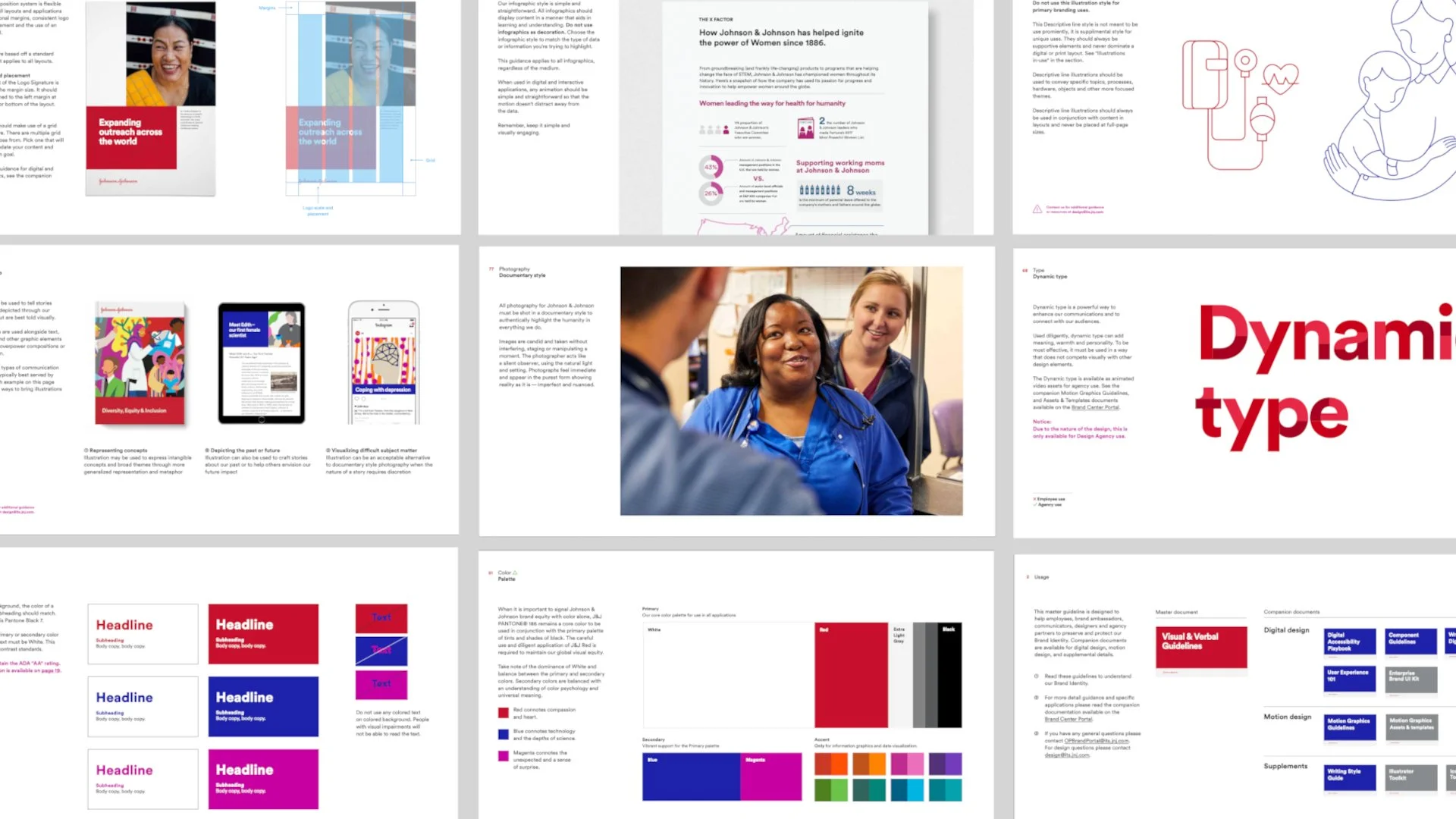
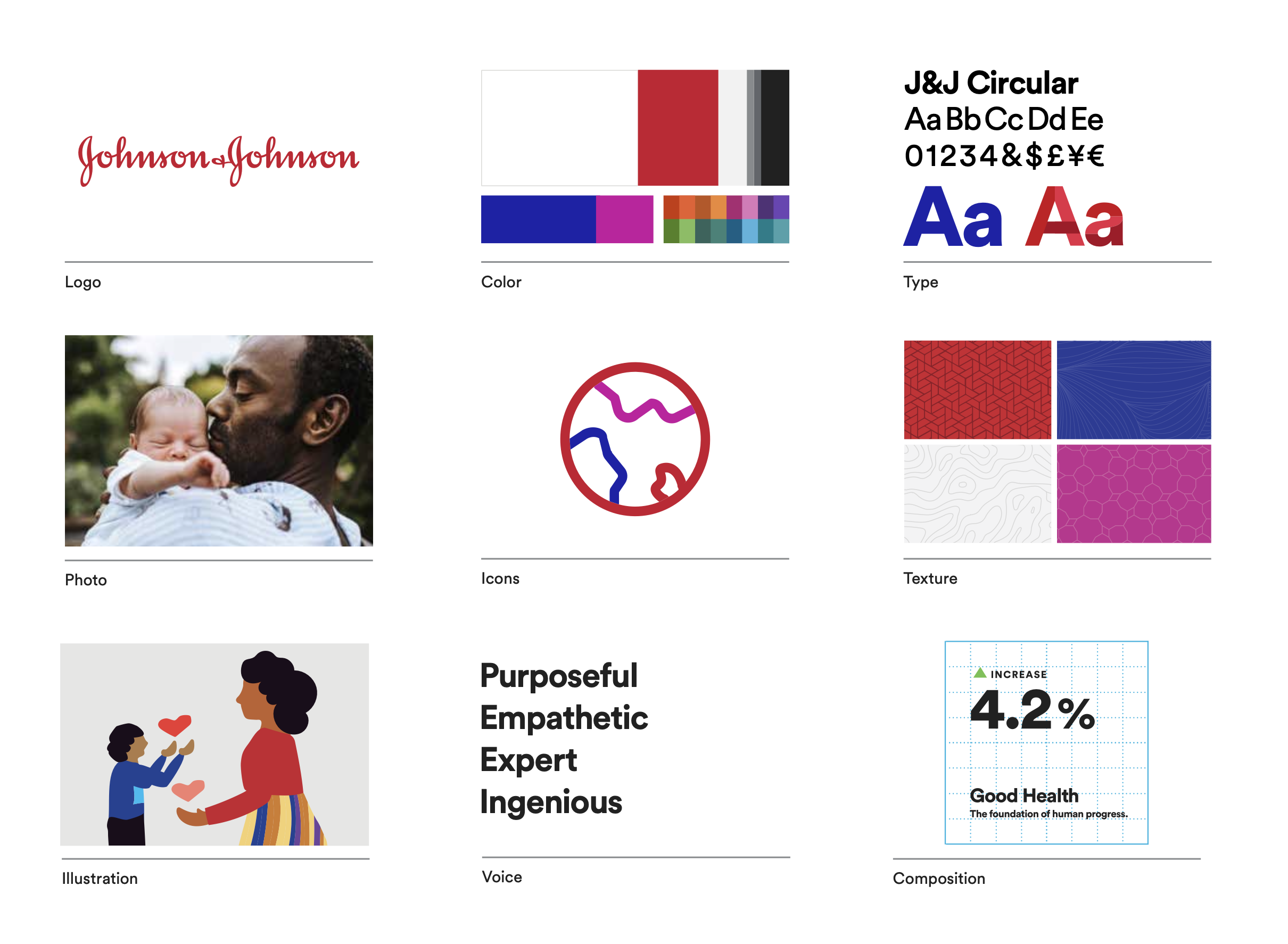
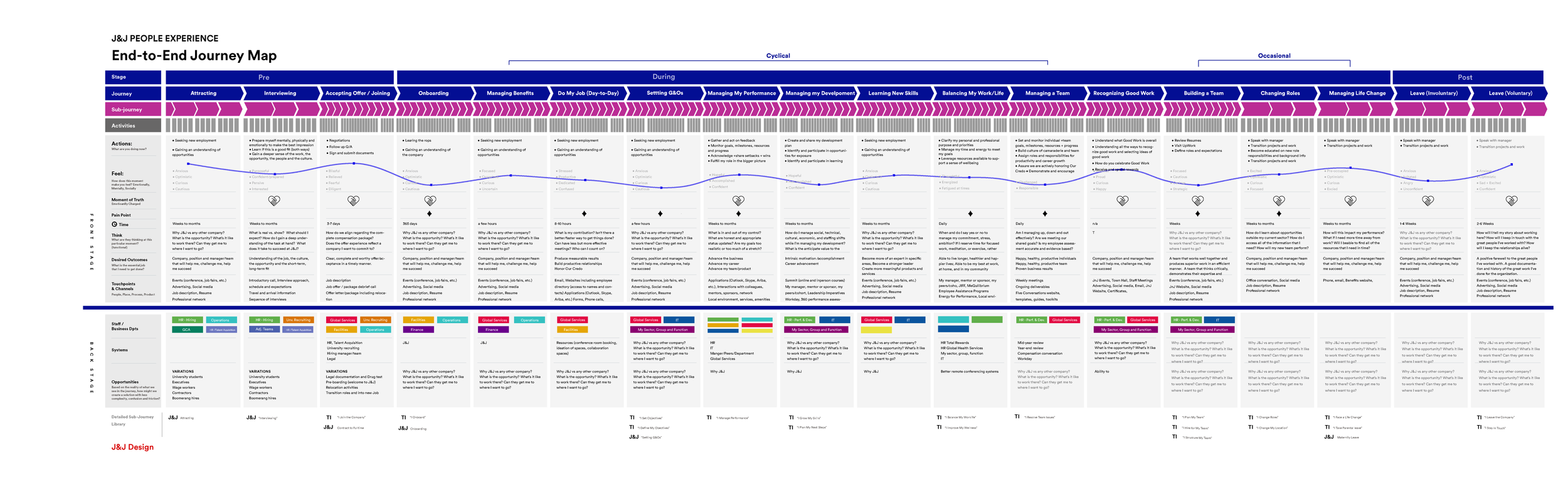

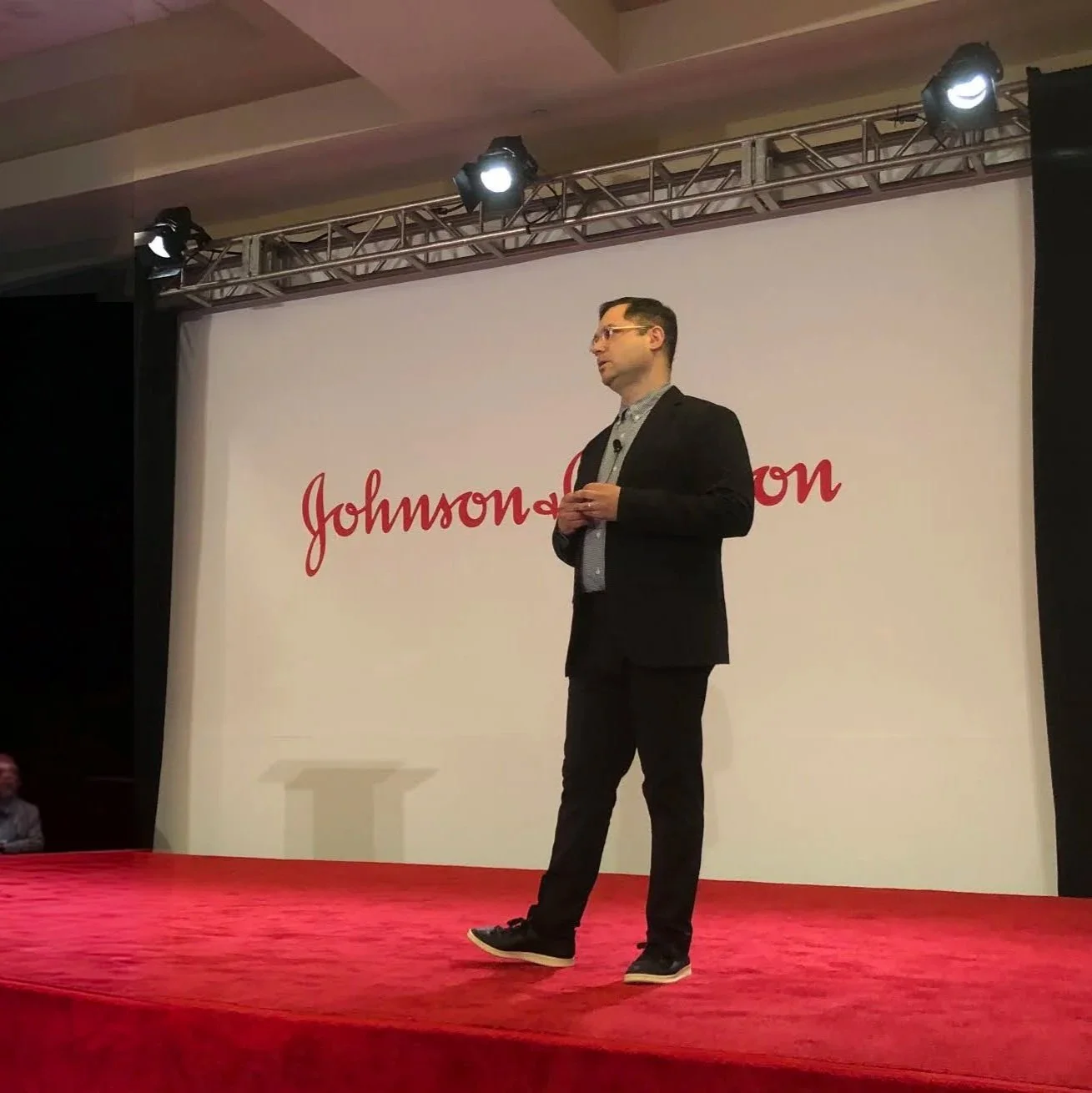
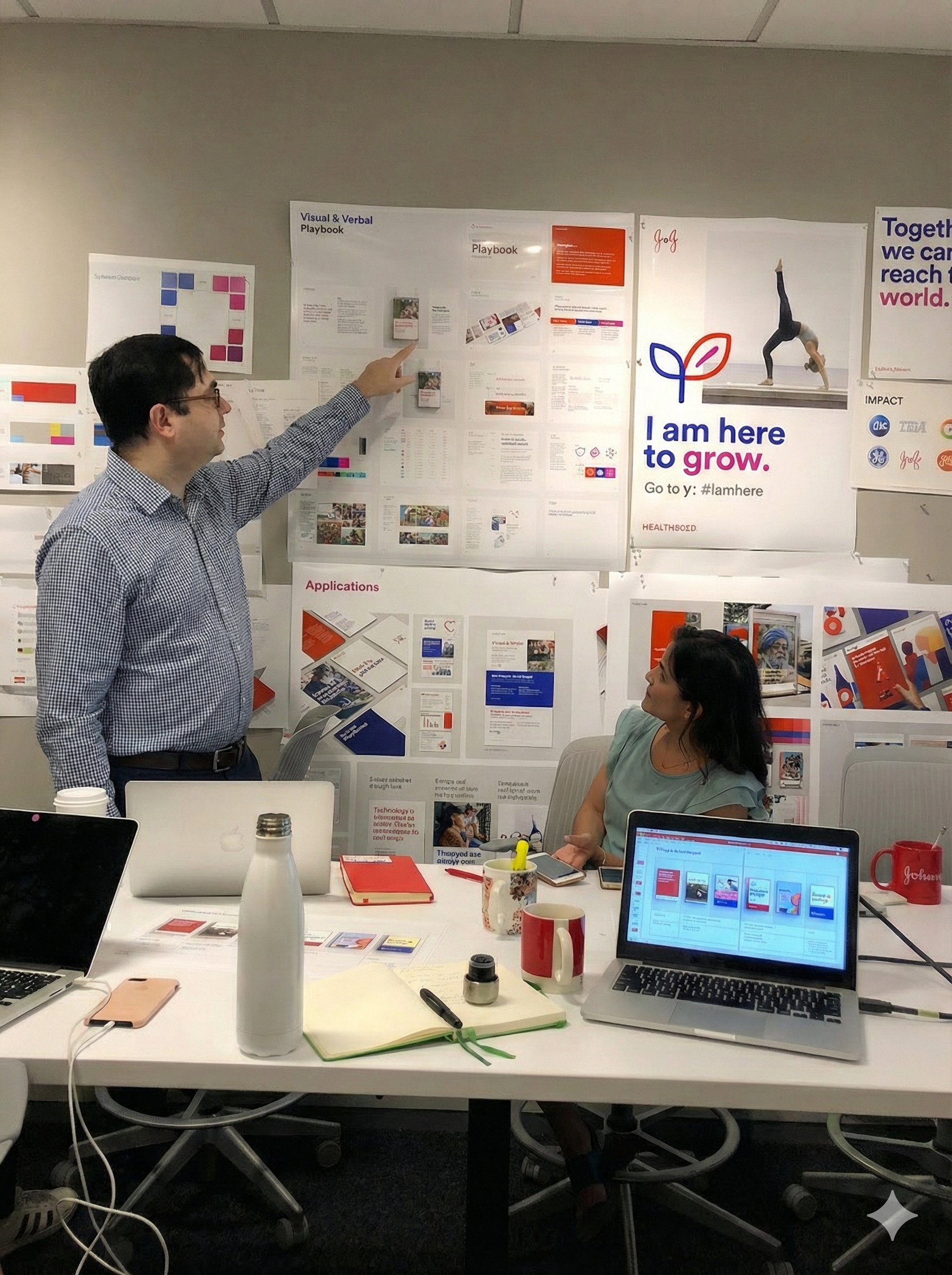
I directed global design training and governance to create a unified brand ecosystem with 82% adoption in 8 months. I ensured a seamless integration of the brand experience across all global touch points.
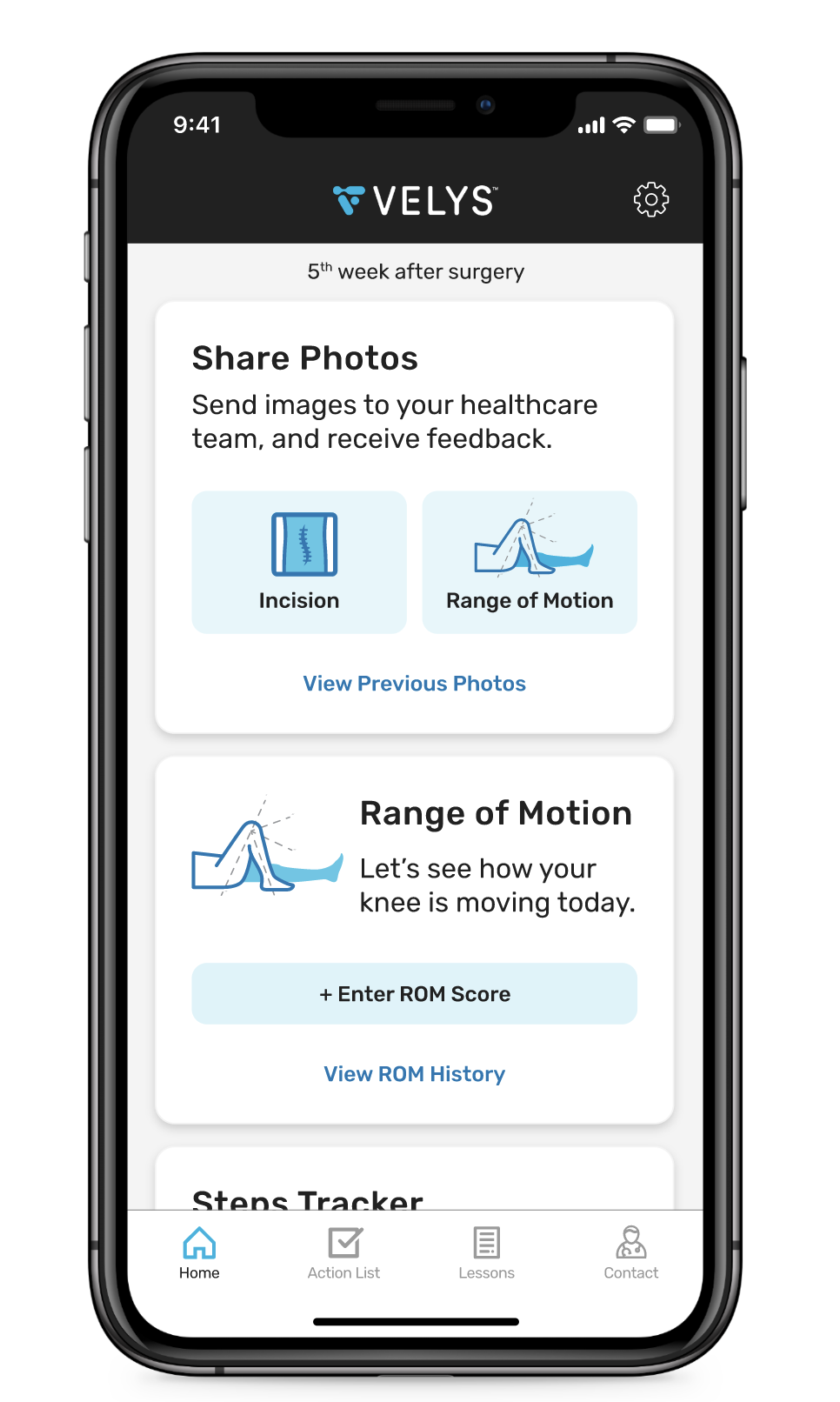



While data anchored my decisions, I used stakeholder workshops to uncover the cultural 'blind spots' that research alone couldn't find.

We developed an enterprise narrative framework blending heart, science, and ingenuity to unify J&J’s global television spots and social campaigns. Leading the creative direction for these platforms, I translated a 130-year legacy into human-centered activations that project "measured boldness" and build deep trust across the enterprise.
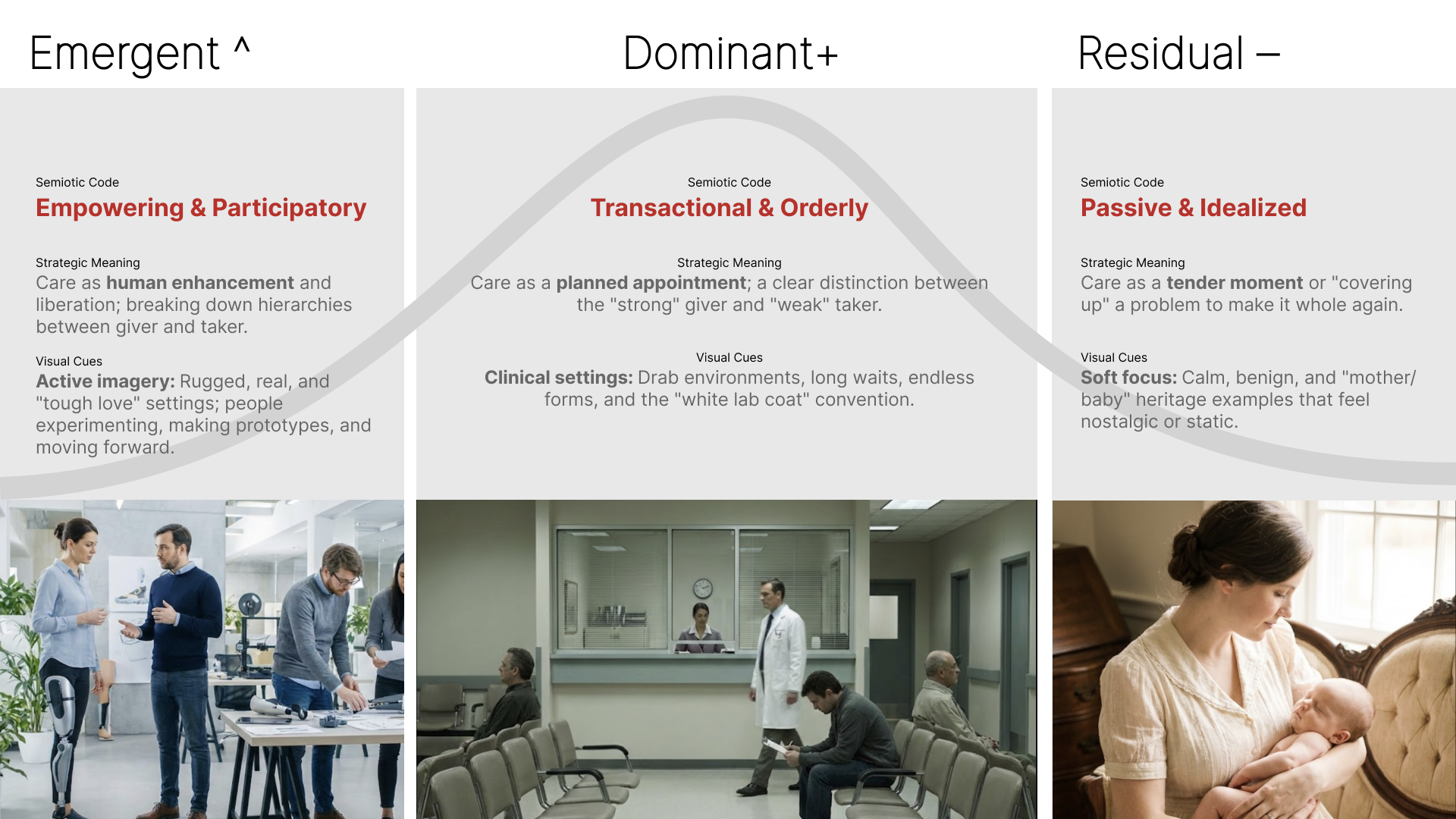
We replaced outdated clichés with a "narrative operating system" built on global semiotic research. This unified our global divisions under a single story of care, ensuring every touchpoint resonates with both precision and heart.
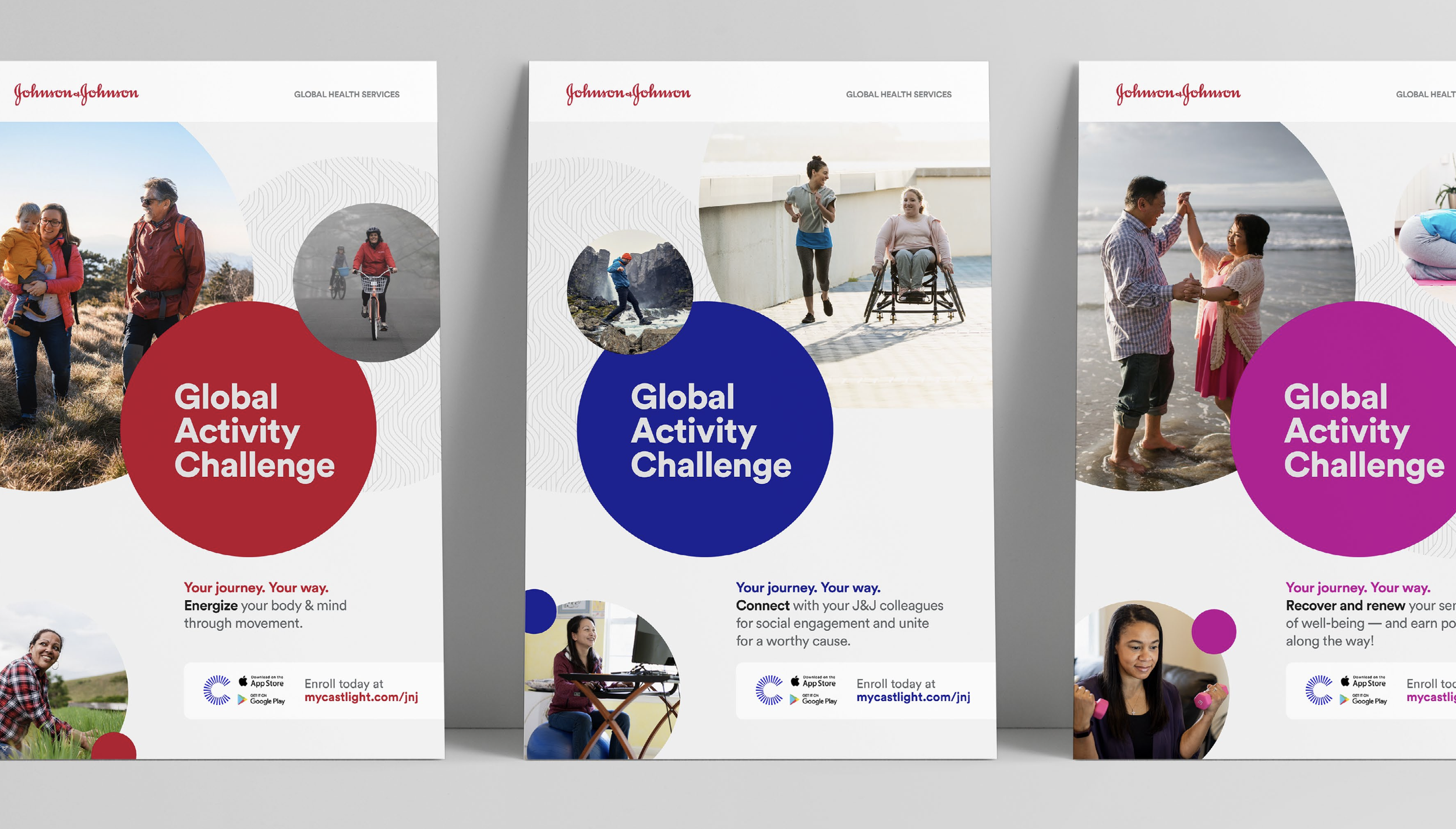

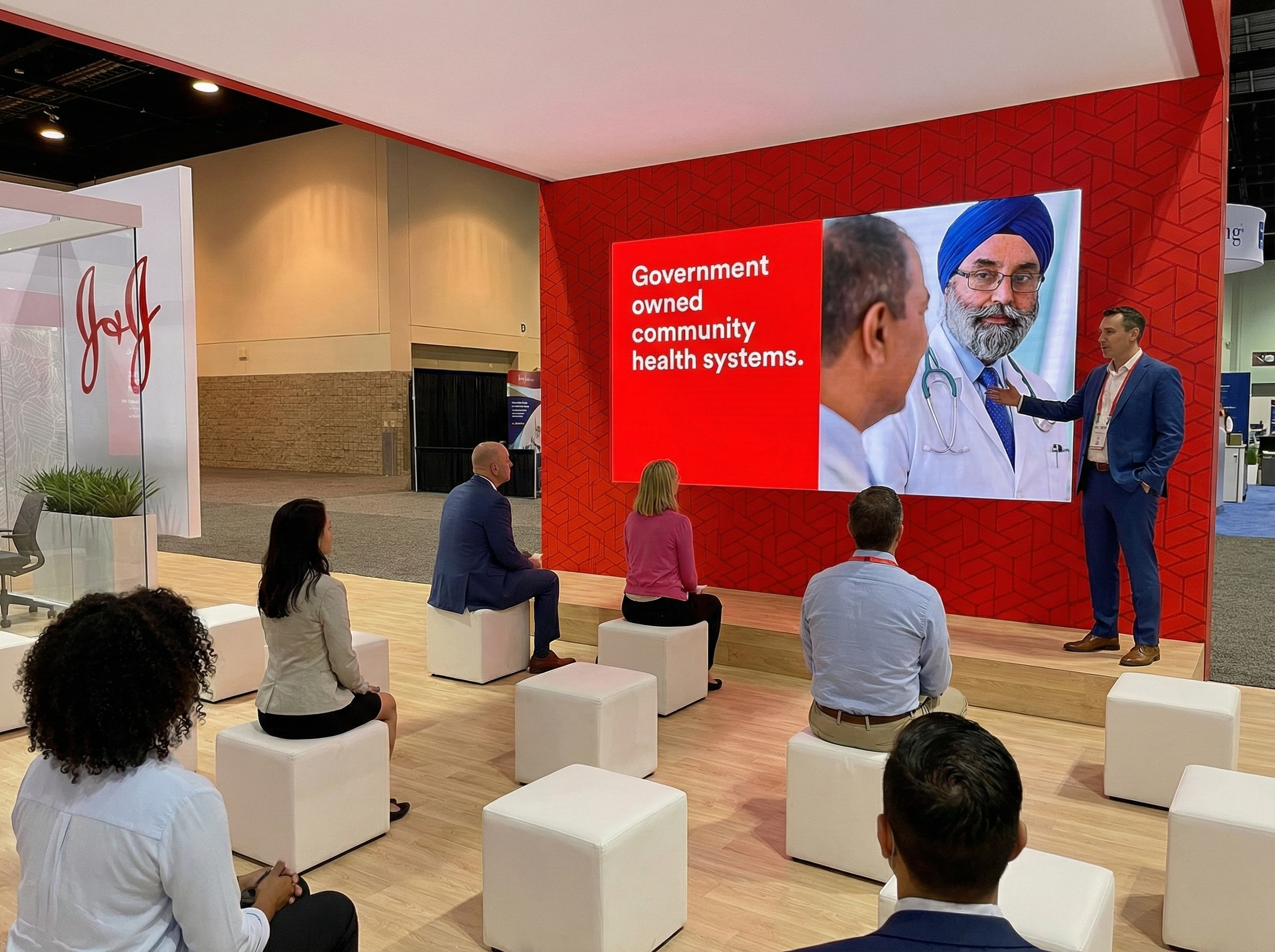
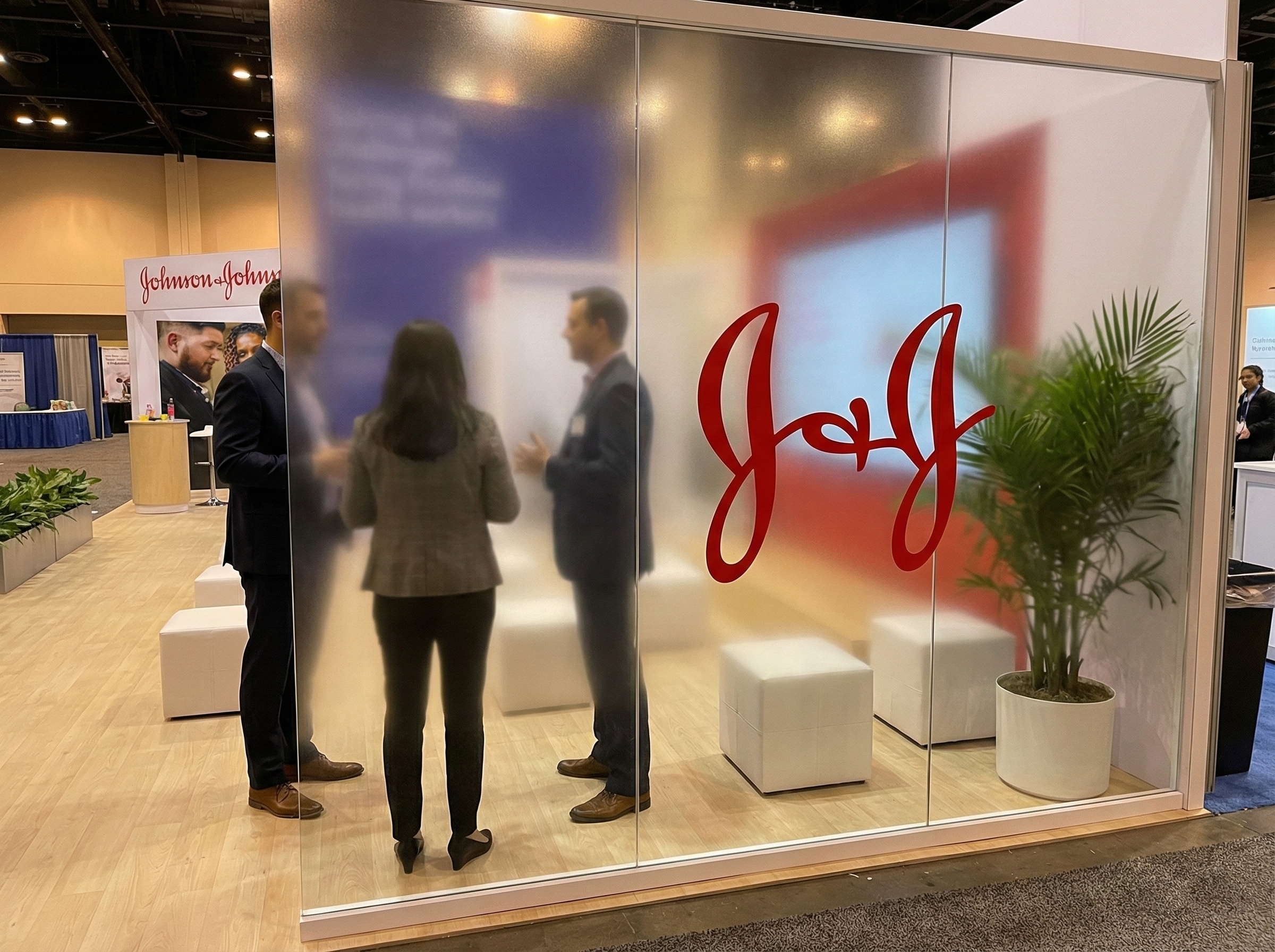
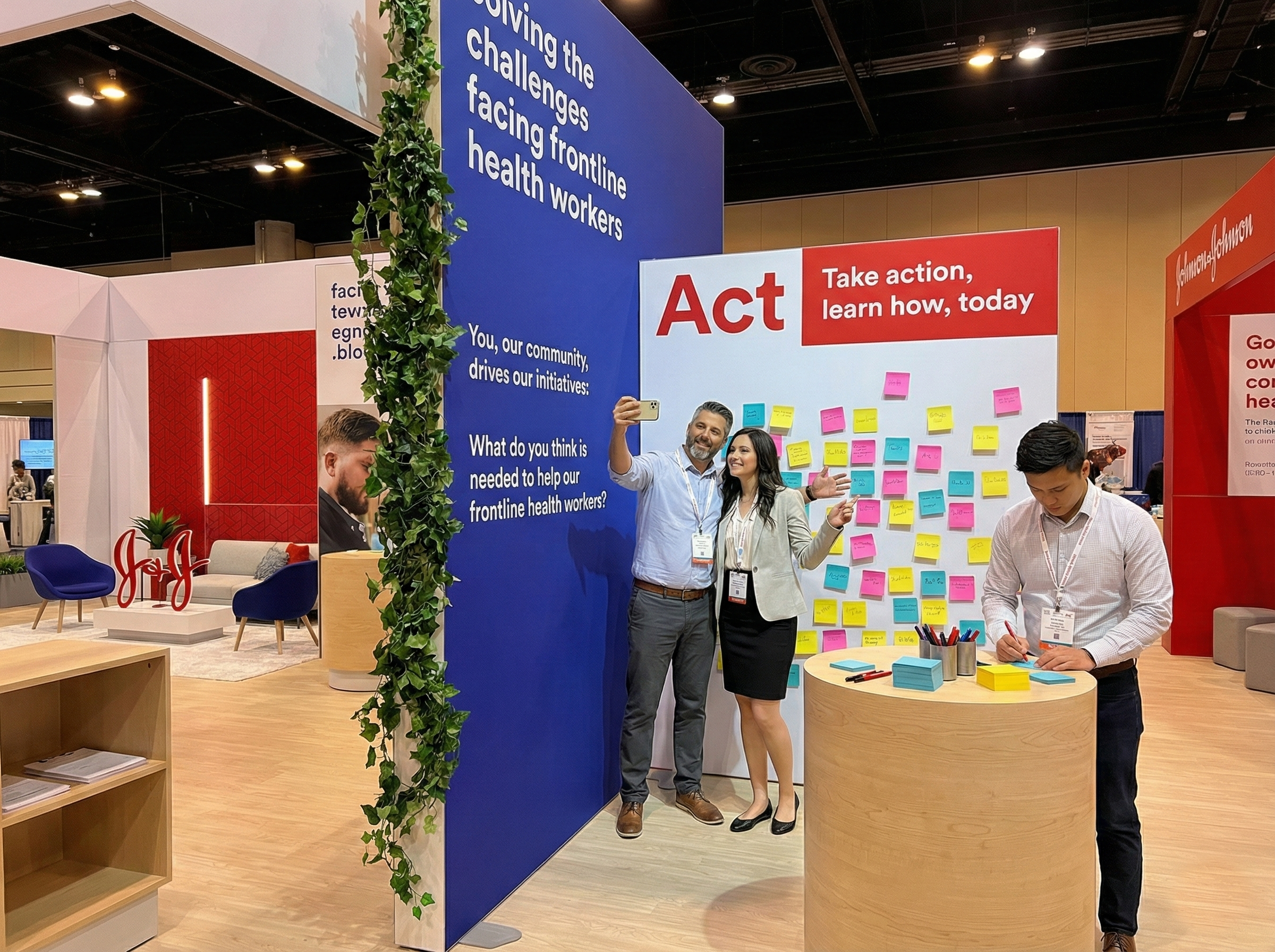
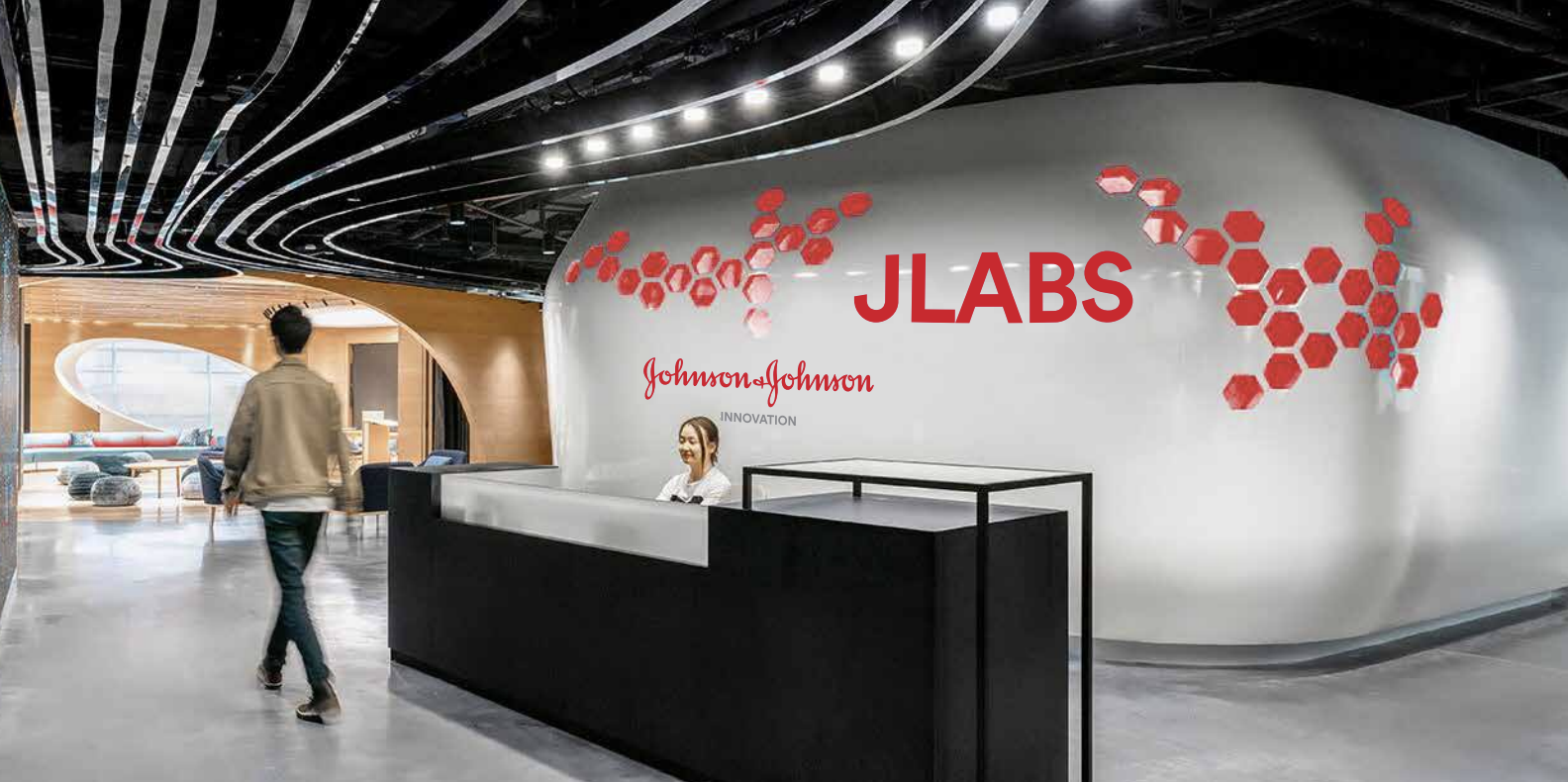
Partnering with environmental designers, we utilized the brand design toolkit to create immersive experiences for global events. We treated every event as a journey, arranging key moments and specific touchpoints to guide visitors for optimal engagement. When these elements align, they create a cohesive environment to share powerful Johnson & Johnson stories.