The Function to Meaning Framework
The Commodity Trap
In a marketplace saturated with options, a superior product is merely the entry fee. If you compete solely on what your product does—its technical specs or functional utility—you are trapped in a race to the bottom. You are a commodity.
The Shift to Meaning
Great brands don't just sell a function; they invite users into a transformation. They don't just solve a problem; they resolve a deep-seated cultural tension. To move from a utility to a culturally significant brand, you must bridge the gap between a simple object and a meaningful narrative.
The Strategic Roadmap
The Function to Meaning Framework is a five-step strategic roadmap designed for designers, strategists, and executives to turn a product feature into a living culture
Part 1: The 5-Step Transformation
This framework is your roadmap for turning a static product into a dynamic brand. We move from the "physics" of the product (what it is) to the "metaphysics" of the brand (what it means).
1. The Feature (Utility)
The Baseline Truth
Before you can build a story, you need to identify the raw material. A feature is the undeniable, functional capability of the product. It is not the "vibe" or the marketing promise; it is simply what the thing does.
The Learning Goal: Strip away the fluff. If you can’t point to it on a spec sheet, it’s not a feature.
Ask Yourself: What is the dry, boring definition of this product's function?
Example:
Fluff: "A way to unlock your world."
Feature: "Face unlock with facial recognition."
2. The Symbolic Echo (Meaning)
The Emotional Ripple
Once you have the feature, you must listen for its echo. This is the immediate emotional or cultural signal the feature sends to the user. Users don't just care about utility; they care about what using that utility says about them.
The Learning Goal: Move from "function" to "feeling". Connect the spec sheet to human self-image.
Ask Yourself: "If I use this feature, do I feel smarter? Safer? More rebellious?".
Example:
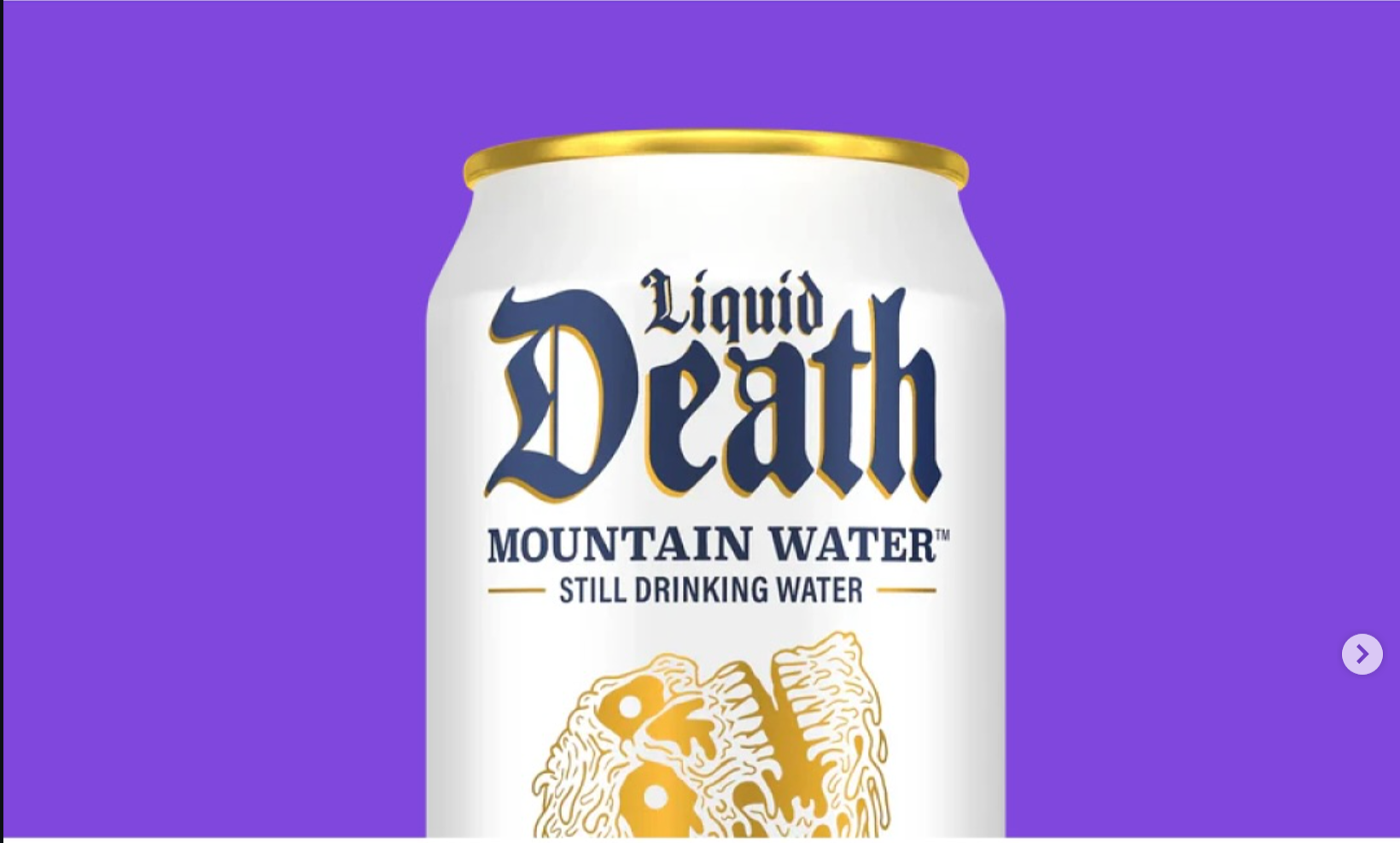
Feature: Canned mountain water.
Echo: Rebellion, anti-corporate snark.
3. The Cultural Tension
The Universal Story
Great brands don't just sell good feelings; they resolve deep human tensions. A tension is a timeless psychological struggle, like "Am I safe?" or "Do I belong?". In this step, you frame your product as the hero that helps the user resolve that struggle.
The Learning Goal: Plug your product into a myth. You aren't selling a tool; you are selling a role in a story.
Ask Yourself: What anxiety or question is my customer wrestling with that this product solves?.
Example:
Tension: "Do I have power in a system that controls me?".
Myth: Rebellion. The product becomes a tool to fight the system.
4. The Visual Verbal Experiential Encoding (Narrative)
The Tangible Evidence
Now you must prove the story is true. You do this using the Verbal, Visual, Experiential Matrix (VVX Matrix). This step translates your abstract myth into concrete design choices—how the brand speaks, looks, and behaves.
The Learning Goal: Consistency is code. You must "encode" the myth into every layer so the product feels like the story it tells.
Ask Yourself:
Verbal: Does our language sound like the myth? (e.g., tough and short vs. poetic and long) .
Visual: Do our colors and fonts signal the emotion?.
Experiential: Do the interactions (unboxing, clicking, swiping) reinforce the feeling?.
5. Social Participation (The Brand)
The Living Ritual
The final transformation happens when the story leaves your hands and enters the user's life. A modern brand is not just a story people hear; it is a story people act out. This step involves designing rituals, signals, and behaviors that let users prove they are part of the tribe.
The Learning Goal: Move from persuasion to participation. Create ways for users to "wear" or "perform" your brand.
Ask Yourself: What is a repeatable action or ritual my user can do to show they believe in this myth?.
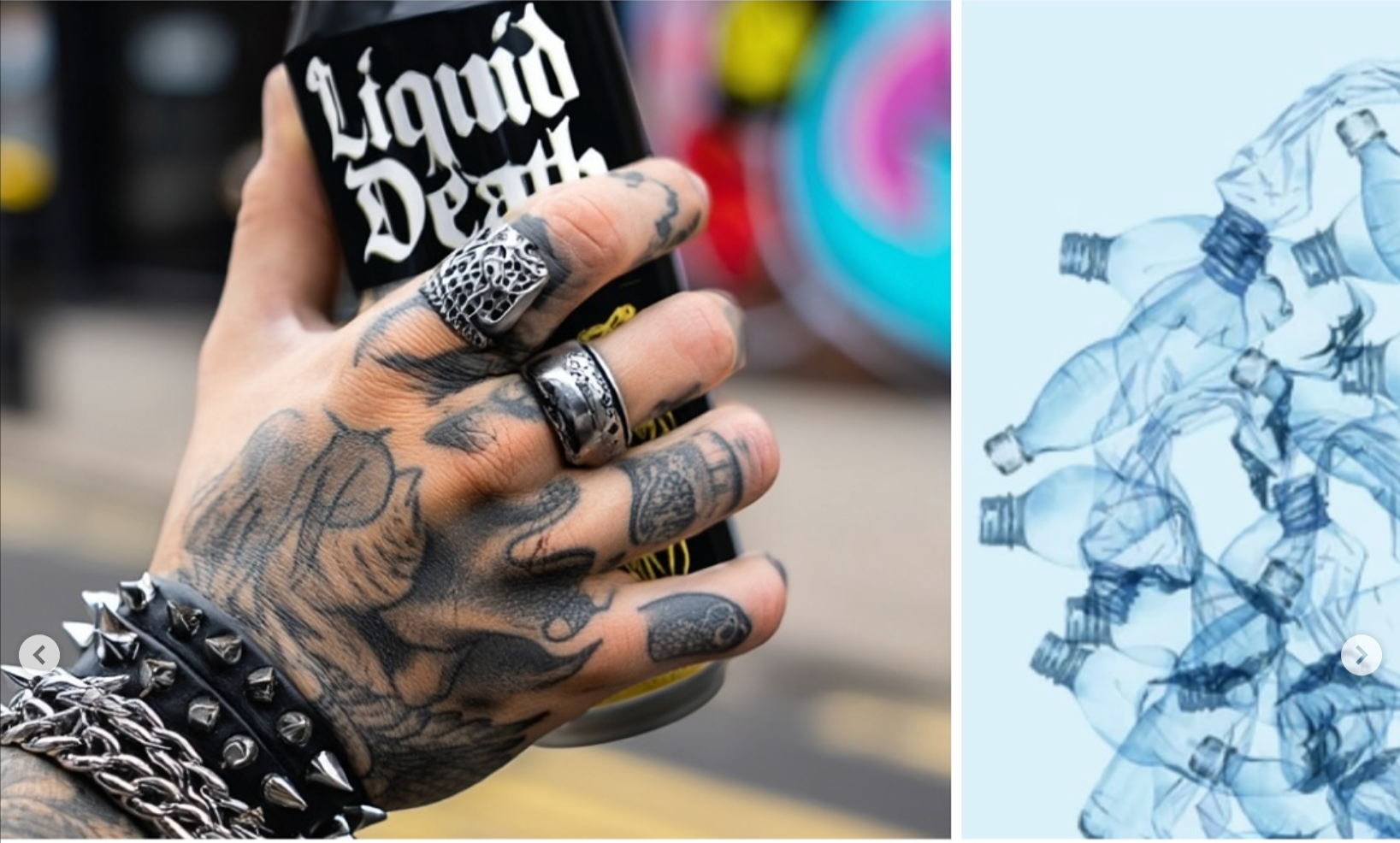
Example: Liquid Death fans don't just drink the water; they crush the can (Ritual) and post it on social media like a trophy (Identity Signal).
Part 2: The Visual Verbal Experiential Matrix (The Engine of Narrative)
The VVX Matrix is the execution engine of the framework. It ensures that the brand's purpose isn't just a manifesto, but a "three-lane compass" where words, visuals, and experiences move in unison. Borrowing the sharpest edges of Kapferer, Wolff Olins, Interbrand, and Prophet, the matrix fuses semiotic practice into one lean skeleton. Clients get clarity, studios get focus, and audiences get a story that never drifts. See more about this.
| DNA Element | Verbal Code (Voice) | Visual Code (Look) | Experiential Code (Feel) |
|---|---|---|---|
| Essence | One-sentence brand soul. | Signature logo or graphic cue. | Flagship experience that proves the essence. |
| Purpose | Why the brand exists in human terms. | Visual choices that spotlight the purpose. | Activity that brings purpose to life. |
| Promise | What the brand commits to deliver every time. | Visual device that signals trust. | Proof touchpoint. |
| Personality | Tone of voice words. | Look & feel flourishes. | Behavior cues. |
| Pillars | List 3–5 core strengths. | How each pillar shows visually. | Related outputs or assets. |
| Origin | Origin story in one line. | Visual nod to roots. | Experience that honors heritage. |

Part 3: Liquid Death in Action
To see how the ordinary promise of hydration becomes an extraordinary cultural signal, let's look at Liquid Death:
The Feature: It starts with water—just mountain water in a can. Its first job is the most ordinary promise in the world: hydration.
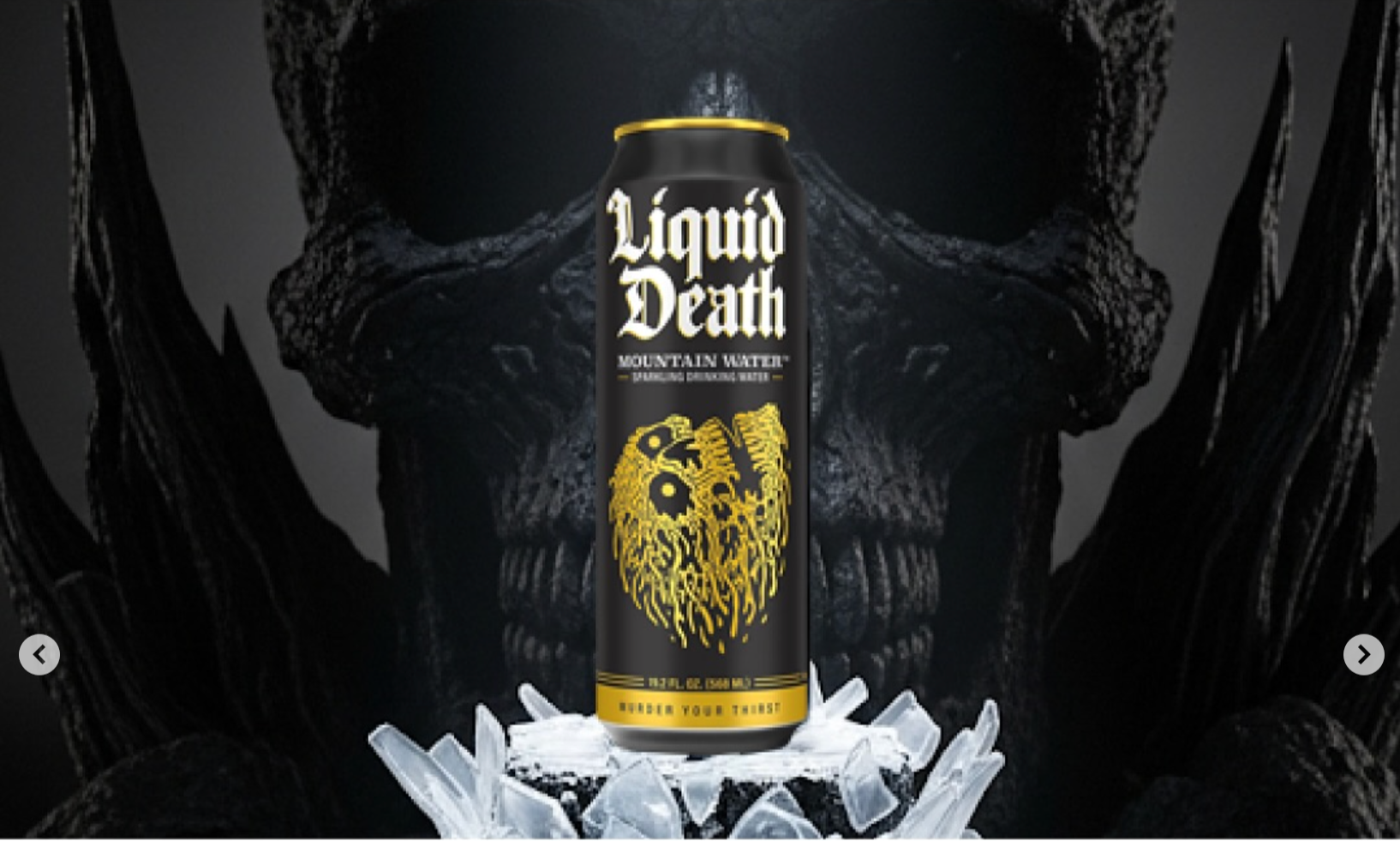
The Symbolic Echo: This isn't just aluminum and H2O. The can signals danger and mocks conformity; water becomes a "middle finger" to plastic and corporations.
The Cultural Tension: It resolves the tension between Rebellion and Conformity. It asks: "Do I play along with the plastic-wrapped lie or do I murder my thirst?".
The VVX Encoding: The story takes over through "screaming" heavy metal visuals, "laughing" ironic copy, and the ritual of cracking a tallboy onstage.
The Result: Fans aren't just drinking water; they are joining a tribe and performing a protest. Liquid Death didn’t invent water; it invented a feeling that people are actually buying.
The Branding Mad Lib: Your Framework Blueprint
Use this plug-and-play formula to narrativize any functional element and ensure your brand avoids the "Commodity Trap":
This product [Functional Feature]; it makes people feel [Symbolic Echo].
But really, it resolves the tension of [The Cultural Tension].
It’s not just a tool—it’s a catalyst for [The Identity Shift/Transformation].
You see this truth in the [Visuals], hear it in the [Verbal Tone], and feel it in the [Experiential Rituals].